130 results for: Indigenous Peoples
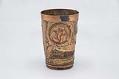
Souvenir tumbler from the Alaska-Yukon-Pacific Exposition (AYPE), 1909
This metal tumbler is a souvenir from the Alaska-Yukon-Pacific Exposition (AYPE) of 1909. The AYPE publicized the development of the Pacific Northwest and positioned Seattle as a gateway to Alaska and the Pacific Rim. It features a relief images of the fair’s official seal (three female figures representing Asia, Alaska, and the Pacific Coast of America), Chief Si'ahl (Chief Seattle),…
ID Number:1965.3631.6
Date:1909
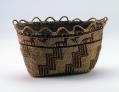
Skokomish twined basket, ca. 1900
The Skokomish Tribe was originally primarily composed of Twana Indians, a Salishan people from the Hood Canal drainage basin in western Washington State. The Twana subsisted on hunting, fishing and gathering activities, moving around in warmer weather and settling on more permanent sites during colder climes. Twana descendants live on the Skokomish Reservation, and all have become known as the…
ID Number:1965.3775.8
Date:Circa 1900
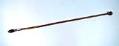
Noisemaker cane, ca. 1911-1941
During the early Seattle Potlatches, many of these canes were used by the celebrants. A tablet the size of an aspirin made of a strong explosive was put in the iron slot at the bottom and when it was thumped on the sidewalk, a very loud explosion occurred. These noisemakers unfortunately burned women's ankles from the flash so they were…
ID Number:1966.3878.63
Date:Circa 1911-1941
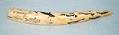
Scrimshaw carving on ivory walrus tusk, undated
This scrimshaw piece was donated anonymously and the date is unknown. The etchings depict hunters in a baidarka and one in a kayak chasing seals, fish, a whale, and other marine life.
ID Number:1969.4596.6
Date:Before 1950
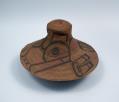
Painted spruce root woven hat, Tlingit, ca. 1900-1920
This woven Tlingit hat features a flaring brim and formline designs painted on the exterior.
ID Number:1969.4792.9
Date:Circa 1900-1920
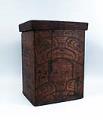
Painted bentwood storage box, undated
This Tlingit bentwood box features bear designs and 24 opercula shells embedded in the lid. This type of container is generally made from one piece of wood that is steamed and bent to form a box.
ID Number:1969.4792.10
Date:Before 1950
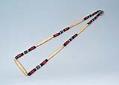
Trade bead necklace, ca. 1910
This necklace was collected by Aubrey Archer in the early part of the 20th century. His father, Finch R. Archer, was the Alotting Agent for the Quinault, Queets, and Hoh tribes from 1906 to 1912. He was in charge of alotting these government land to these tribes. Aubrey worked with his father during school vacations.
ID Number:1970.4971.2
Date:Circa 1910
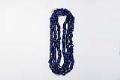
Trade bead necklace from Pacific Northwest Native community, ca. 1910
This necklace was collected by Aubrey Archer in the early part of the 20th century. His father, Finch R. Archer, was the Alotting Agent for the Quinault, Queets, and Hoh tribes from 1906 to 1912. He was in charge of alotting these government land to these tribes. Aubrey worked with his father during school vacations.
ID Number:1970.4971.3a
Date:Circa 1910
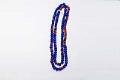
Trade bead necklace, ca. 1910
This necklace was collected by Aubrey Archer in the early part of the 20th century. His father, Finch R. Archer, was the Alotting Agent for the Quinault, Queets, and Hoh tribes from 1906 to 1912. He was in charge of alotting these government land to these tribes. Aubrey worked with his father during school vacations.
ID Number:1970.4971.3d
Date:Circa 1910
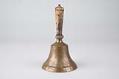
Handbell from the Tulalip Shaker Church, 1940
The Indian Shaker Church is a Christian denomination founded in the Pacific Northwest by Squazin tribal member by John Slocum in 1882. It combines Native American customs and traditional beliefs with influences from Catholicism and Protestantism. Indian Shakers are not related to the English-American Shaker denomination founded by Ann Lee. Indian Shakerism was introduced to the Tulalip Tribe in 1896…
ID Number:1970.4987.1
Date:1940