43 results for: El Centro de la Raza
Photograph
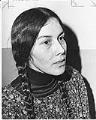
Yvonne Wanrow, February 17, 1976
Yvonne Swan Wanrow is an activist advocating for the rights of Native Americans and women. She is a member of the Colville Tribes of eastern Washington. On August 11, 1972, Wanrow shot and killed a convicted sex offender when he attempted to assault her young son. She was convicted of murder and sentenced to twenty years in prison, but appealed…
ID Number:2000.107.222.03.02
Date:1976
Photograph
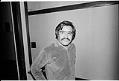
Roberto Gallegos, Seattle, October 13, 1972
While 1970 census figures showed that Spanish-speaking residents made up 5% of Seattle's population – similar in numbers to Black residents - the fact that they were scattered in various parts of the city made them less visible as an ethnic group. Language issues and historically based fears of deportation were also a factor, particularly for those from Mexico. In…
ID Number:2000.107.19721013.1.08a
Date:1972
Photograph
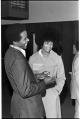
People at preview of Black Arts/West production of "Black Girl," Seattle, March 22, 1973
Black Arts/West was Seattle's first Black theater and functioned as a three component program: theater, dance, and an art gallery displaying the work of local and national artists. Founded by Douglas Q. Barnett (1931-2019) in 1969, Black Arts/West evolved out of the Civil Rights movement of the 1960s. As a division of the Central Area Motivation Program (CAMP), an anti-poverty…
ID Number:2000.107.19730322.2.14A
Date:1973
Photograph
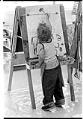
Terrez Weir painting at El Centro de la Raza's bilingual child care program, Seattle, September 1974
As more women started working outside the home, child day care and after-school activities became critical. In the Seattle area, El Centro de la Raza (The Center for People of All Races) stepped in to provide this. In 1974, El Centro opened a bilingual day care program in the basement of Beacon Hill United Methodist Church. The center, run by…
ID Number:2000.107.19740924.2.11
Date:1974
Photograph
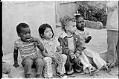
Children at El Centro de la Raza's bilingual child care program, Seattle, September 1974
As more women started working outside the home, child day care and after-school activities became critical. In the Seattle area, El Centro de la Raza (The Center for People of All Races) stepped in to provide this. In 1974, El Centro opened a bilingual day care program in the basement of Beacon Hill United Methodist Church. The center, run by…
ID Number:2000.107.19740924.2.14
Date:1974
Photograph
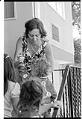
Director Lucia Rios at bilingual child care program sponsored by El Centro de la Raza, Seattle, September 1974
As more women started working outside the home, child day care and after-school activities became critical. In the Seattle area, El Centro de la Raza (The Center for People of All Races) stepped in to provide this. In 1974, El Centro opened a bilingual day care program in the basement of Beacon Hill United Methodist Church. The center, run by…
ID Number:2000.107.19740924.2.20
Date:1974
Photograph
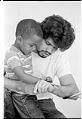
Bobby Richmond with teacher Jack Esparza at El Centro de la Raza's bilingual child care program, Seattle, September 1974
As more women started working outside the home, child day care and after-school activities became critical. In the Seattle area, El Centro de la Raza (The Center for People of All Races) stepped in to provide this. In 1974, El Centro opened a bilingual day care program in the basement of Beacon Hill United Methodist Church. The center, run by…
ID Number:2000.107.19740924.2.36
Date:1974

Photograph
People participating in a citizenship class at El Centro de la Raza, Seattle, January 21, 2003
Seattle had a growing Latino population in the late 1960s, and activists had been pressing the city for a building in which to establish a Chicano community center. Tired of having their requests ignored, in October 1972 they took over the abandoned Beacon Hill School on 16th Avenue South and renamed it El Centro de la Raza. After a 3-month…
ID Number:2000.107.20030123.CD06.001
Date:2003
Photograph
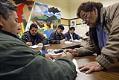
People participating in a citizenship class at El Centro de la Raza, Seattle, January 21, 2003
Seattle had a growing Latino population in the late 1960s, and activists had been pressing the city for a building in which to establish a Chicano community center. Tired of having their requests ignored, in October 1972 they took over the abandoned Beacon Hill School on 16th Avenue South and renamed it El Centro de la Raza. After a 3-month…
ID Number:2000.107.20030123.CD06.002
Date:2003
Ephemera
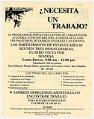
Necesita un trabajo?/ Need a job flier for program at El Centro de la Raza, 1987
El Centro de la Raza is a Latino community center and advocacy organization which opened in 1973 in the former Beacon Hill School, after activists staged a 75-day occupation of the site. This flier advertises El Centro's job readiness workshops, conducted in both Spanish and English. El Centro also offered specialized workshops for youths between 16-24 years old and assistance…
ID Number:2002.23.2.26.1
Date:1987