43 results for: El Centro de la Raza
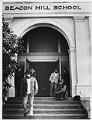
Photograph
Protesters outside Beacon Hill School, October 11, 1972
Seattle had a growing Latino population in the late 1960s, and activists had been pressing the city for a building in which to establish a Chicano community center. Tired of having their requests ignored, in October 1972 they took over the abandoned Beacon Hill School on 16th Avenue South and renamed it El Centro de la Raza. After a 75-day…
ID Number:2000.107.124.39.08
Date:1972
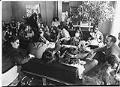
Photograph
Sit-in at Mayor's office, April 5, 1973
Seattle had a growing Latino population in the late 1960s, and activists had been pressing the city for a building in which to establish a Chicano community center. Tired of having their requests ignored, in October 1972 they took over the abandoned Beacon Hill School on 16th Avenue South and renamed it El Centro de la Raza. After a 75-day…
ID Number:2000.107.124.39.09
Date:1973
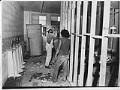
Photograph
Carpenters renovating bathrooms at Centro de la Raza, August 2, 1973
Seattle had a growing Latino population in the late 1960s, and activists had been pressing the city for a building in which to establish a Chicano community center. Tired of having their requests ignored, in October 1972 they took over the abandoned Beacon Hill School on 16th Avenue South and renamed it El Centro de la Raza. After a 75-day…
ID Number:2000.107.124.39.10
Date:1973
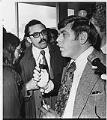
Photograph
Keo Capastany and Robert Gogerty at Mayor's office sit-in, April 5, 1973
Seattle had a growing Latino population in the late 1960s, and activists had been pressing the city for a building in which to establish a Chicano community center. Tired of having their requests ignored, in October 1972 they took over the abandoned Beacon Hill School on 16th Avenue South and renamed it El Centro de la Raza. After a 75-day…
ID Number:2000.107.124.39.13
Date:1973
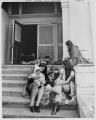
Photograph
Women and children on steps of Beacon Hill School during occupation, October 1972
Seattle had a growing Latino population in the late 1960s, and activists had been pressing the city for a building in which to establish a Chicano community center. Tired of having their requests ignored, in October 1972 they took over the abandoned Beacon Hill School on 16th Avenue South and renamed it El Centro de la Raza. After a 75-day…
ID Number:2000.107.124.39.17
Date:1972
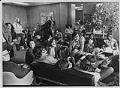
Photograph
Sit-in at mayor's office, Seattle, April 5, 1973
Seattle’s Latino community was rapidly growing in the late 1960s and community activists pushed for the building of a Chicano community center, which they named El Centro de la Raza. After Chicano activists occupied the abandoned Beacon Hill School in late 1972, the city agreed to lease them the building for $1 per year. However, Seattle mayor Wes Uhlman refused…
ID Number:2000.107.124.39.20
Date:1973
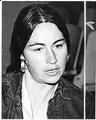
Photograph
Joan Augerot at Conferencia - Chicanas en El Movimiento, Seattle, August 22, 1974
This image of Joan Augerot, a curriculum specialist, was taken at the first annual Conferencia - Chicanas en El Movimiento (Women in the Movement conference), held over three days at El Centro de La Raza on Beacon Hill. Ms. Augerot was a speaker at the conference. The event was an initial step in establishing a state-wide network for job listings,…
ID Number:2000.107.124.40.12
Date:1974
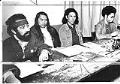
Photograph
Roberto Maestas, Bernie Whitebear, Jim Robideau, and Larry Gossett speaking at rally, Seattle, February 27, 1974
This image shows (from left) Roberto Maestas, Bernie Whitebear, Jim Robideau, and Larry Gossett speaking at a rally on the anniversary of the occupation of Wounded Knee by protesters the previous year. Held at El Centro de la Raza in Seattle, the event was a show of solidarity with the American Indian Movement (AIM). The rally protested the federal government’s…
ID Number:2000.107.154.13.02
Date:1974
Photograph
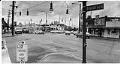
Intersection of Beacon Avenue S. and 15th Avenue S., 1974
Beacon Hill was originally inhabited by the Duwamish people, who had a village called Tal-tal-kus at the western foot of the hill. Settlers began moving onto Beacon Hill in the 1850s and growth accelerated around the turn of the 20th century. Starting in the 1920s, Chinese, Italian, and Japanese immigrants settled in Beacon Hill. After World War II, the trend…
ID Number:2000.107.189.08.01
Date:1974
Photograph
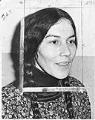
Yvonne Wanrow, February 17, 1976
Yvonne Swan Wanrow (now Yvonne Swan) is an activist advocating for the rights of Native Americans and women. She is a member of the Colville Tribes of eastern Washington. On August 11, 1972, Wanrow shot and killed a convicted sex offender when he attempted to assault her young son. She was convicted of murder and sentenced to twenty years in…
ID Number:2000.107.222.03.01
Date:1976