3246 results for: Seattle Post-Intelligencer
Photograph
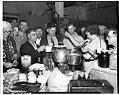
Woman serving soup to WPA strikers, Seattle, 1937
In 1936, the federal Works Progress Administration hired some 9,000 unemployed King County residents on 271 different projects ranging from improving roads and parks to serving school lunches. Congress reduced funding for the WPA in 1937, causing nationwide layoffs. In Seattle, some workers stormed the WPA offices to protest the layoffs. Others staged sitdown strikes or picketed on downtown sidewalks.…
ID Number:PI22389
Date:1937
Photograph
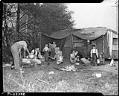
Migrant family in makeshift housing, September 22, 1940
On September 22, 1940, a King County deputy sheriff found a family camped by the side of West Marginal Way. Harry Cooper had left North Dakota with his seven children, hoping to find a job in the Pacific Northwest. When found, the family had had nothing to eat for three days but some vegetables brought by neighbors.This photo shows the…
ID Number:PI22392
Date:1940
Photograph
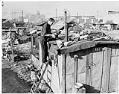
Edwin Hill repairing roof of shack in Hooverville, Seattle, November 1939
During the Depression of the 1930s, over 600 unemployed and homeless people lived in shacks on vacant land just south of downtown Seattle. They built their homes from scrap lumber and other materials which they found along the waterfront. This area, and similar places throughout the United States, were called Hoovervilles after President Herbert Hoover whom many people blamed for…
ID Number:PI22393
Date:1939
Photograph
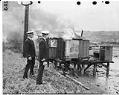
Naval officers watching Hooverville shack burn, June 6, 1942
During the Great Depression of the 1930s, many unemployed and homeless people throughout the United States built shantytowns on vacant lots. The settlements were called Hoovervilles, after President Herbert Hoover whom many blamed for the depression. In Seattle, shantytowns grew in the waterfront areas south of downtown Seattle and north near Smith Cove. When the United States entered World War…
ID Number:PI22395
Date:1942
Photograph
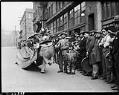
Chinese Lion Dance, circa 1930
Chinese American communities often hold a Lion Dance at the time of the lunar new year or when a new business opens. In Seattle during Chinese New Year, the lion dances through the Chinatown - International District and stops in front of businesses to wish them a prosperous year. The businesses offer the lion red envelopes of money, wrapped in…
ID Number:PI22398
Date:Circa 1930
Photograph
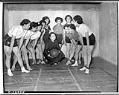
Chinese-American basketball team, Seattle, 1938
Handwritten on image: Chinese girl basket ball team.Handwritten on sleeve: Basketball - girls - Chinese team.Date photograph was filed at the Seattle Post-Intelligencer (date of photograph and file date may differ by a month or more): February 28, 1938.
ID Number:PI22404
Date:1938
Photograph
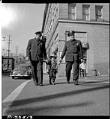
Cheryl Chow in cowboy suit walking with policemen, April 1951
In April 1951, a Seattle Post-Intelligencer photographer snapped this picture of a small Chinese American girl in cowboy costume crossing a downtown Seattle street with two tall policemen. Cheryl Chow, the little girl in the photo, grew up to become a Seattle City Council member and a strong advocate for children, low-income housing and parks and recreation programs. She served…
ID Number:PI22413
Date:1951
Photograph
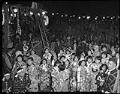
Dancers at Bon Odori festival, Seattle, 1935
During the summer of 1932, Seattle's first Bon Odori festival was held by the Seattle Buddhist Church (Seattle Betsuin Buddhist Temple). Bon Odori is a traditional Japanese style of dancing performed during Obon, a Buddhist memorial service. The joyful dance celebrates selfless giving and expresses gratitude to departed family members and ancestors. Over the years, the annual event open to…
ID Number:PI22448
Date:1935
Photograph
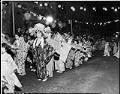
Dancers at Bon Odori festival, Seattle, 1935
During the summer of 1932, Seattle's first Bon Odori festival was held by the Seattle Buddhist Church (Seattle Betsuin Buddhist Temple). Bon Odori is a traditional Japanese style of dancing performed during Obon, a Buddhist memorial service. The joyful dance celebrates selfless giving and expresses gratitude to departed family members and ancestors. Over the years, the annual open-to-all event has…
ID Number:PI22449
Date:1935
Photograph
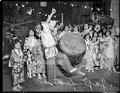
Taiko drummer and children at Bon Odori festival, Seattle, 1935
During the summer of 1932, Seattle's first Bon Odori festival was held by the Seattle Buddhist Church (Seattle Betsuin Buddhist Temple). Bon Odori is a traditional Japanese style of dancing performed during Obon, a Buddhist memorial service. The joyful dance celebrates selfless giving and expresses gratitude to departed family members and ancestors. Over the years, the annual open-to-all event has…
ID Number:PI22450
Date:1935