517 results for: Museum of History
Photograph
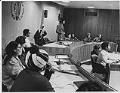
Protesters taking over City Council meeting, November 10, 1972
Seattle had a growing Latino population in the late 1960s, and activists had been pressing the city for a building in which to establish a Chicano community center. Tired of having their requests ignored, in October 1972 they took over the abandoned Beacon Hill School on 16th Avenue South and renamed it El Centro de la Raza. After a 75-day…
ID Number:2000.107.124.39.07
Date:1972
Photograph
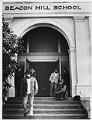
Protesters outside Beacon Hill School, October 11, 1972
Seattle had a growing Latino population in the late 1960s, and activists had been pressing the city for a building in which to establish a Chicano community center. Tired of having their requests ignored, in October 1972 they took over the abandoned Beacon Hill School on 16th Avenue South and renamed it El Centro de la Raza. After a 75-day…
ID Number:2000.107.124.39.08
Date:1972
Photograph
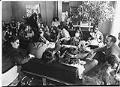
Sit-in at Mayor's office, April 5, 1973
Seattle had a growing Latino population in the late 1960s, and activists had been pressing the city for a building in which to establish a Chicano community center. Tired of having their requests ignored, in October 1972 they took over the abandoned Beacon Hill School on 16th Avenue South and renamed it El Centro de la Raza. After a 75-day…
ID Number:2000.107.124.39.09
Date:1973
Photograph
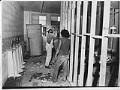
Carpenters renovating bathrooms at Centro de la Raza, August 2, 1973
Seattle had a growing Latino population in the late 1960s, and activists had been pressing the city for a building in which to establish a Chicano community center. Tired of having their requests ignored, in October 1972 they took over the abandoned Beacon Hill School on 16th Avenue South and renamed it El Centro de la Raza. After a 75-day…
ID Number:2000.107.124.39.10
Date:1973
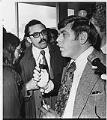
Photograph
Keo Capastany and Robert Gogerty at Mayor's office sit-in, April 5, 1973
Seattle had a growing Latino population in the late 1960s, and activists had been pressing the city for a building in which to establish a Chicano community center. Tired of having their requests ignored, in October 1972 they took over the abandoned Beacon Hill School on 16th Avenue South and renamed it El Centro de la Raza. After a 75-day…
ID Number:2000.107.124.39.13
Date:1973
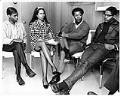
Photograph
Highline College Afro-American Society members at press conference, May 21, 1968
On May 21, 1968, a group of students from the Afro-American Society at Highline College met with college president Dr. M.A. Allen to discuss a set of demands made by the society, an affiliate of the Congress of Black Student Unions. The college agreed with the students on a number of points, such as the hiring of Black teachers, administrators,…
ID Number:2000.107.131.22.01
Date:1968
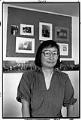
Photograph
Chizuko Omori at home in front of incarceration camp photos, Seattle, August 10, 1988
Chizuko May Omori (b. 1930), a young Nisei girl, was living with her family in Oceanside, California when World War II broke out. After the bombing of Pearl Harbor, Omori and her family were incarcerated in Poston concentration camp (known officially as the Colorado River Relocation Center) in Yuma County, Arizona. After release from the camp, Omori lived for a…
ID Number:2000.107.136.07.01
Date:1988
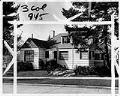
Photograph
House at center of debate in Open Housing Campaign, Seattle, May 2, 1959
Seattle's African American population increased dramatically between 1940 and 1960, making the community the city's largest minority group. Like other minorities, African Americans experienced discrimination in many ways, including in housing. The enforcement of restrictive covenants in specific developments or subdivisions, realtors agreeing not to show houses to people of color, and red-lining, where banks denied credit to minorities, largely…
ID Number:2000.107.136.07.02
Date:1959
Photograph
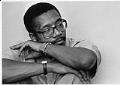
Portrait of Garry Owens, September 1988
Garry Owens was born in Seattle’s Chinatown - International District and lived in a number of Seattle neighborhoods before graduating from Franklin High School. As a senior in high school, Owens was impressed by and participated in the Seattle chapter of the Congress of Racial Equality (CORE). After high school, he was drafted into the Army and his experiences in…
ID Number:2000.107.136.40.01
Date:1988
Photograph
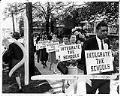
Supporters of school integration picketing outside Seattle Public School offices, Seattle, May 12, 1965
Throughout the late 1950s and early 1960s, various civil rights groups in Seattle unsuccessfully tried to persuade a predominately white school board to address the issues of desegregation of the Seattle Public Schools. The Congress of Racial Equality (CORE), and the National Association for the Advancement of Colored People (NAACP) felt that most of the educational deficiencies among the bulk…
ID Number:2000.107.141.13.03
Date:1965