44 results for: Chinatown International District
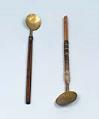
Measuring spoon used at Sagamiya Confectionary Co., ca. 1910
This measuring spoon was from the Sagamiya Confectionery, formerly located at 6th and Main in the area previously known as Nihonmachi, or Japantown, now in Seattle's Chinatown International District. Sagamiya used traditional Japanese methods in the making of mochi and other wagashi (Japanese sweets). The bakery was founded in 1904 and closed in the early 1970s.
ID Number:1984.54.71
Date:Circa 1910
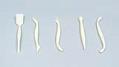
Tools for shaping mochi, used at Sagamiya Confectionary Co., ca. 1905-1920
These food shapers were from the Sagamiya Confectionery, formerly located at 6th and Main in the area previously known as Nihonmachi, or Japantown, now in Seattle's Chinatown International District. Sagamiya used traditional Japanese methods in the making of mochi and other wagashi (Japanese sweets). The bakery was founded in 1904 and closed in the early 1970s.
ID Number:1984.54.84
Date:1905-1920
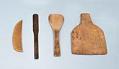
Tool for shaping mochi, used at the Sagamiya Confectionary Co., ca. 1910
This food shaper, made in Japan, was from the Sagamiya Confectionery, formerly located at 6th and Main in the area previously known as Nihonmachi, or Japantown, now in Seattle's Chinatown International District. Sagamiya used traditional Japanese methods in the making of mochi and other wagashi (Japanese sweets). The bakery was founded in 1904 and closed in the early 1970s.
ID Number:1984.54.85
Date:Circa 1910
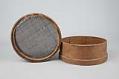
Flour sifters used at Sagamiya Confectionary Co., ca. 1905-1950
These flour sifters were used at Sagamiya Confectionery, located at 6th and Main in the area previously known as Nihonmachi, or Japantown, now in Seattle's Chinatown International District. Sagamiya used traditional Japanese methods in the making of mochi and other wagashi (Japanese sweets). The bakery was founded in 1904 and closed in the early 1970s.
ID Number:1984.54.93
Date:Circa 1905-1950
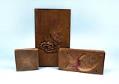
Seasonal mochi mold, winter design, used at Sagamiya Confectionery Co., ca. 1905-1950
This mold for making wagashi (Japanese sweets) with a seasonal design was from the Sagamiya Confectionery, formerly located at 6th and Main in the area previously known as Nihonmachi, or Japantown, now in Seattle's Chinatown International District. Sagamiya used traditional Japanese methods in the making of mochi and other wagashi. The bakery was founded in 1904 and closed in the…
ID Number:1984.54.94.1
Date:1905-1950
Mold for mochi, used at Sagamiya Confectionery Co., ca. 1905-1950
This mold for making wagashi (Japanese sweets) with a floral design was from the Sagamiya Confectionery, formerly located at 6th and Main in the area previously known as Nihonmachi, or Japantown, now in Seattle's Chinatown International District. Sagamiya used traditional Japanese methods in the making of mochi and other wagashi. The bakery was founded in 1904 and closed in the…
ID Number:1984.54.94.2
Date:1905-1950
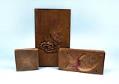
Mold for mochi in "taiyaki" design, used at Sagamiya Confectionery Co., ca. 1900-1960
This wooden mold was used at Sagamiya Confectionery to make taiyaki, a popular Japanese waffle-like dessert, used for festive occasions and as a congratulatory icon. The confectionery was located in Seattle's Japantown neighborhood until its closure in 1970.
ID Number:1984.54.94.3
Date:Circa 1900-1960
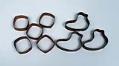
Mold for shaping confections used at Sagamiya Confectionary Co., ca. 1910
These molds were from the Sagamiya Confectionery, formerly located at 6th and Main in the area previously known as Nihonmachi, or Japantown, now in Seattle's Chinatown International District. Sagamiya used traditional Japanese methods in the making of mochi and other wagashi (Japanese sweets). The bakery was founded in 1904 and closed in the early 1970s.
ID Number:1984.54.101
Date:Circa 1910
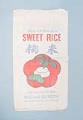
Cloth bag for rice and rice flour, used by the Sagamiya Confectionary Co., ca. 1905-1950
This rice bag was from the Sagamiya Confectionery, formerly located at 6th and Main in the area previously known as Nihonmachi, or Japantown, now in Seattle's Chinatown International District. Sagamiya used traditional Japanese methods in the making of mochi and other wagashi (Japanese sweets). The bakery was founded in 1904 and closed in the early 1970s.
ID Number:1984.54.106.17
Date:1905-1950
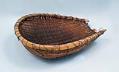
Basket used at the Sagamiya Confectionary Co., ca. 1910
This basket was from the Sagamiya Confectionery, formerly located at 6th and Main in the area previously known as Nihonmachi, or Japantown, now in Seattle's Chinatown International District. Sagamiya used traditional Japanese methods in the making of mochi and other wagashi (Japanese sweets). The bakery was founded in 1904 and closed in the early 1970s.
ID Number:1984.54.108.1
Date:Circa 1910