44 results for: Chinatown International District
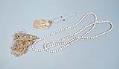
Buddhist prayer beads from Sagamiya Confectionary Co., ca. 1905-1920
These prayer beads were donated along with the other materials from the Sagamiya Confectionery, formerly located at 6th and Main in the area previously known as Nihonmachi, or Japantown, now in Seattle's Chinatown International District. Sagamiya used traditional Japanese methods in the making of mochi and other wagashi (Japanese sweets). The bakery was founded in 1904 and closed in the…
ID Number:1984.54.25
Date:1905-1920
Jyuzu (Buddhist prayer beads) bracelet from Sagamiya Confectionary Co., ca. 1905-1920
This prayer bracelet was donated along with the other materials from the Sagamiya Confectionery, formerly located at 6th and Main in the area previously known as Nihonmachi, or Japantown, now in Seattle's Chinatown International District. Sagamiya used traditional Japanese methods in the making of mochi and other wagashi (Japanese sweets). The bakery was founded in 1904 and closed in the…
ID Number:1984.54.26
Date:1905-1920
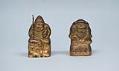
Daitoku good fortune figurine, used at Sagamiya Confectionary Co., ca. 1905-1920
Figurines of this particular god were said to provide good luck to those in the food industry. It was donated along with other materials from the Sagamiya Confectionery, formerly located at 6th and Main in the area previously known as Nihonmachi, or Japantown, now in Seattle's Chinatown International District. Sagamiya used traditional Japanese methods in the making of mochi and…
ID Number:1984.54.29
Date:1905-1920
Ebeisu good fortune figure, used at Sagamiya Confectionary Co., ca. 1905-1920
Figurines of this particular god were said to provide good luck to those in the food industry. It was donated along with other materials from the Sagamiya Confectionery, formerly located at 6th and Main in the area previously known as Nihonmachi, or Japantown, now in Seattle's Chinatown International District. Sagamiya used traditional Japanese methods in the making of mochi and…
ID Number:1984.54.30
Date:1905-1920
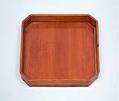
Serving tray used at Sagamiya Confectionary Co., ca. 1910
This serving tray was from the Sagamiya Confectionery, formerly located at 6th and Main in the area previously known as Nihonmachi, or Japantown, now in Seattle's Chinatown International District. Sagamiya used traditional Japanese methods in the making of mochi and other wagashi (Japanese sweets). The bakery was founded in 1904 and closed in the early 1970s.
ID Number:1984.54.58
Date:Circa 1910
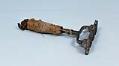
Press for stamping confections, used at Sagamiya Confectionary Company, ca. 1910
The Sagamiya Confectionery, founded in 1904 by Unosuke Shibata, was formerly located at 6th and Main in the area previously known as Nihonmachi, or Japantown, now in Seattle's Chinatown International District. Sagamiya used traditional Japanese methods in the making of mochi, pastries and other wagashi (confections). The bakery was a popular neighborhood establishment until it closed in the 1970s.
ID Number:1984.54.61
Date:Circa 1910
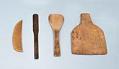
Stirring paddle used at Sagamiya Confectionary Co., ca. 1910
This stirring paddle was from the Sagamiya Confectionery, formerly located at 6th and Main in the area previously known as Nihonmachi, or Japantown, now in Seattle's Chinatown International District. Sagamiya used traditional Japanese methods in the making of mochi and other wagashi (Japanese sweets). The bakery was founded in 1904 and closed in the early 1970s.
ID Number:1984.54.63
Date:Circa 1910
Stirring paddle used at Sagamiya Confectionary Co., ca. 1910
This stirring paddle was from the Sagamiya Confectionery, formerly located at 6th and Main in the area previously known as Nihonmachi, or Japantown, now in Seattle's Chinatown International District. Sagamiya used traditional Japanese methods in the making of mochi and other wagashi (Japanese sweets). The bakery was founded in 1904 and closed in the early 1970s.
ID Number:1984.54.64
Date:Circa 1910
Stirring paddle used at Sagamiya Confectionary Co., ca. 1910
This stirring paddle was from the Sagamiya Confectionery, formerly located at 6th and Main in the area previously known as Nihonmachi, or Japantown, now in Seattle's Chinatown International District. Sagamiya used traditional Japanese methods in the making of mochi and other wagashi (Japanese sweets). The bakery was founded in 1904 and closed in the early 1970s.
ID Number:1984.54.66
Date:Circa 1910
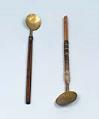
Measuring spoon used at Sagamiya Confectionary Co., ca. 1910
This measuring spoon was from the Sagamiya Confectionery, formerly located at 6th and Main in the area previously known as Nihonmachi, or Japantown, now in Seattle's Chinatown International District. Sagamiya used traditional Japanese methods in the making of mochi and other wagashi (Japanese sweets). The bakery was founded in 1904 and closed in the early 1970s.
ID Number:1984.54.70
Date:Circa 1910