165 results for: Klondike-Alaska Gold Rush
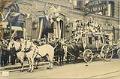
Photograph
Arctic Club parade float, Seattle, 1912
The Tilikums of Elttaes were a fraternal, civic organization composed primarily of influential white Seattle area businessmen, who used Native American imagery to promote tourism and the economic development of the city. In July 1911 the Tilikums ("Friends" in Chinook Jargon; Elttaes is Seattle spelled backward) organized the first Golden Potlatch celebration. The Golden Potlatch was a city-wide festival held…
ID Number:2010.22.1
Date:1912
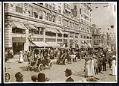
Photograph
Electric cars in the Golden Potlatch parade, Seattle, July 1911
The Tilikums of Elttaes were a fraternal, civic organization composed primarily of influential white Seattle area businessmen, who used Native American imagery to promote tourism and the economic development of the city. In July 1911 the Tilikums ("Friends" in Chinook Jargon; Elttaes is Seattle spelled backward) organized the first Golden Potlatch celebration. The Golden Potlatch was a city-wide festival held…
ID Number:2011.79.1.150
Date:1911
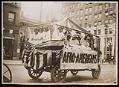
Photograph
"Afro-Americans" float in Golden Potlatch parade, Seattle, July 1911
The Tilikums of Elttaes were a fraternal, civic organization composed primarily of influential white Seattle area businessmen, who used Native American imagery to promote tourism and the economic development of the city. In July 1911 the Tilikums ("Friends" in Chinook Jargon; Elttaes is Seattle spelled backward) organized the first Golden Potlatch celebration. The Golden Potlatch was a city-wide festival held…
ID Number:2011.79.1.104
Date:1911
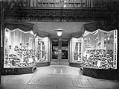
Photograph
Wallin & Nordstrom shoe store, Seattle, circa 1920
John W. Nordstrom immigrated from Sweden in 1887 and joined the Klondike Gold Rush ten years later. After earning a healthy profit from his claim in Alaska, Nordstrom returned to Seattle eager to invest his money. He reunited with Carl Wallin, a friend from his Alaska days who owned a shoe-repair shop in downtown Seattle. In 1901, they opened Wallin…
ID Number:2016.59.60
Date:Circa 1920
Photograph
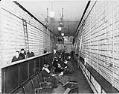
Wallin & Nordstrom shoe store, Seattle, circa 1920
John W. Nordstrom immigrated from Sweden in 1887 and joined the Klondike Gold Rush ten years later. After earning a healthy profit from his claim in Alaska, Nordstrom returned to Seattle eager to invest his money. He reunited with Carl Wallin, a friend from his Alaska days who owned a shoe-repair shop in downtown Seattle. In 1901, they opened Wallin…
ID Number:2016.59.62
Date:Circa 1920
Ephemera
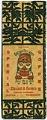
Golden Potlatch themed coffee bag, 1912
The Tilikums of Elttaes were a fraternal, civic organization composed primarily of influential white Seattle area businessmen, who used Native American imagery to promote tourism and the economic development of the city. In July 1911 the Tilikums ("Friends" in Chinook Jargon; Elttaes is Seattle spelled backward) organized the first Golden Potlatch celebration. The Golden Potlatch was a city-wide festival held…
ID Number:2018.3.3.39
Date:1912
Ephemera
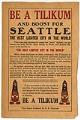
Golden Potlatch advertisement, 1913
The Tilikums of Elttaes were a fraternal, civic organization composed primarily of influential white Seattle area businessmen, who used Native American imagery to promote tourism and the economic development of the city. In July 1911 the Tilikums ("Friends" in Chinook Jargon; Elttaes is Seattle spelled backward) organized the first Golden Potlatch celebration. The Golden Potlatch was a city-wide festival held…
ID Number:2018.3.3.42
Date:1913
Ephemera
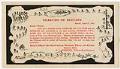
Tilikums of Elttaes invitation, 1912
The Tilikums of Elttaes were a fraternal, civic organization composed primarily of influential white Seattle area businessmen, who used Native American imagery to promote tourism and the economic development of the city. In July 1911 the Tilikums ("Friends" in Chinook Jargon; Elttaes is Seattle spelled backward) organized the first Golden Potlatch celebration. The Golden Potlatch was a city-wide festival held…
ID Number:2018.3.3.43
Date:1912
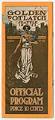
Program
Golden Potlatch program, 1911
The Tilikums of Elttaes were a fraternal, civic organization composed primarily of influential white Seattle area businessmen, who used Native American imagery to promote tourism and the economic development of the city. In July 1911 the Tilikums ("Friends" in Chinook Jargon; Elttaes is Seattle spelled backward) organized the first Golden Potlatch celebration. The Golden Potlatch was a city-wide festival held…
ID Number:2018.3.3.44
Date:1911
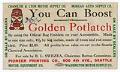
Postcard
Golden Potlatch booster advertisement, 1912
The Tilikums of Elttaes were a fraternal, civic organization composed primarily of influential white Seattle area businessmen, who used Native American imagery to promote tourism and the economic development of the city. In July 1911 the Tilikums ("Friends" in Chinook Jargon; Elttaes is Seattle spelled backward) organized the first Golden Potlatch celebration. The Golden Potlatch was a city-wide festival held…
ID Number:2018.3.3.45
Date:1912