417 results for: Indigenous Peoples
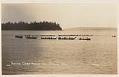
Photograph
Canoe parade on Tulalip Bay, circa 1912
The Tulalip Tribes are a confederation of several Coast Salish peoples including the Snohomish, Snoqualmie, Skykomish, Skagit, Suiattle, Samish, Stillaguamish, and other allied tribes and bands. In the 1855 Treaty of Point Elliott, these groups ceded most of their land to the United States and reserved the Tulalip Indian Reservation for their permanent homeland. They also reserved rights for hunting,…
ID Number:Lib1988.11.27
Date:Circa 1912
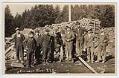
Photograph
Wood chopping crew, Tulalip Indian School, circa 1912
The Tulalip Tribes are a confederation of several Coast Salish peoples including the Snohomish, Snoqualmie, Skykomish, Skagit, Suiattle, Samish, Stillaguamish, and other allied tribes and bands. In the 1855 Treaty of Point Elliott, these groups ceded most of their land to the United States and reserved the Tulalip Indian Reservation for their permanent homeland. They also reserved rights for hunting,…
ID Number:Lib1988.11.32
Date:Circa 1912
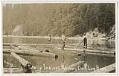
Photograph
Tulalip men working on a log boom, circa 1912
The Tulalip Tribes are a confederation of several Coast Salish peoples including the Snohomish, Snoqualmie, Skykomish, Skagit, Suiattle, Samish, Stillaguamish, and other allied tribes and bands. In the 1855 Treaty of Point Elliott, these groups ceded most of their land to the United States and reserved the Tulalip Indian Reservation for their permanent homeland. They also reserved rights for hunting,…
ID Number:Lib1988.11.34
Date:Circa 1912
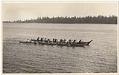
Photograph
Two racing canoes, Tulalip Bay, circa 1912
The Tulalip Tribes are a confederation of several Coast Salish peoples including the Snohomish, Snoqualmie, Skykomish, Skagit, Suiattle, Samish, Stillaguamish, and other allied tribes and bands. In the 1855 Treaty of Point Elliott, these groups ceded most of their land to the United States and reserved the Tulalip Indian Reservation for their permanent homeland. They also reserved rights for hunting,…
ID Number:Lib1988.11.42
Date:Circa 1912
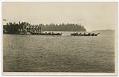
Photograph
Canoe tug of war, Tulalip Bay, circa 1912
The Tulalip Tribes are a confederation of several Coast Salish peoples including the Snohomish, Snoqualmie, Skykomish, Skagit, Suiattle, Samish, Stillaguamish, and other allied tribes and bands. In the 1855 Treaty of Point Elliott, these groups ceded most of their land to the United States and reserved the Tulalip Indian Reservation for their permanent homeland. They also reserved rights for hunting,…
ID Number:Lib1988.11.43
Date:Circa 1912
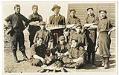
Photograph
Baseball team, Tulalip Indian School, circa 1912
The Tulalip Tribes are a confederation of several Coast Salish peoples including the Snohomish, Snoqualmie, Skykomish, Skagit, Suiattle, Samish, Stillaguamish, and other allied tribes and bands. In the 1855 Treaty of Point Elliott, these groups ceded most of their land to the United States and reserved the Tulalip Indian Reservation for their permanent homeland. They also reserved rights for hunting,…
ID Number:Lib1988.11.59
Date:Circa 1912
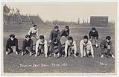
Photograph
Football team, Tulalip Indian School, 1911
The Tulalip Tribes are a confederation of several Coast Salish peoples including the Snohomish, Snoqualmie, Skykomish, Skagit, Suiattle, Samish, Stillaguamish, and other allied tribes and bands. In the 1855 Treaty of Point Elliott, these groups ceded most of their land to the United States and reserved the Tulalip Indian Reservation for their permanent homeland. They also reserved rights for hunting,…
ID Number:Lib1988.11.60
Date:1911
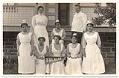
Photograph
Hospital staff, Tulalip Indian School, circa 1912
The Tulalip Tribes are a confederation of several Coast Salish peoples including the Snohomish, Snoqualmie, Skykomish, Skagit, Suiattle, Samish, Stillaguamish, and other allied tribes and bands. In the 1855 Treaty of Point Elliott, these groups ceded most of their land to the United States and reserved the Tulalip Indian Reservation for their permanent homeland. They also reserved rights for hunting,…
ID Number:Lib1988.11.63
Date:Circa 1912
Photograph
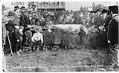
Game of Slahal, Treaty Day celebration, Tulalip, 1912
The Tulalip Tribes are a confederation of several Coast Salish peoples including the Snohomish, Snoqualmie, Skykomish, Skagit, Suiattle, Samish, Stillaguamish, and other allied tribes and bands. In the 1855 Treaty of Point Elliott, these groups ceded most of their land to the United States and reserved the Tulalip Indian Reservation for their permanent homeland. They also reserved rights for hunting,…
ID Number:Lib1988.11.66
Date:1912
Photograph
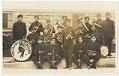
Tulalip Indian School boys band, 1912
The Tulalip Tribes are a confederation of several Coast Salish peoples including the Snohomish, Snoqualmie, Skykomish, Skagit, Suiattle, Samish, Stillaguamish, and other allied tribes and bands. In the 1855 Treaty of Point Elliott, these groups ceded most of their land to the United States and reserved the Tulalip Indian Reservation for their permanent homeland. They also reserved rights for hunting,…
ID Number:Lib1988.11.83
Date:1912