417 results for: Indigenous Peoples
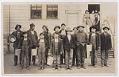
Photograph
Boys with buckets, Tulalip Indian School, circa 1912
The Tulalip Tribes are a confederation of several Coast Salish peoples including the Snohomish, Snoqualmie, Skykomish, Skagit, Suiattle, Samish, Stillaguamish, and other allied tribes and bands. In the 1855 Treaty of Point Elliott, these groups ceded most of their land to the United States and reserved the Tulalip Indian Reservation for their permanent homeland. They also reserved rights for hunting,…
ID Number:Lib1988.11.2
Date:Circa 1912
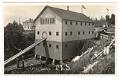
Photograph
Sawmill, Tulalip Indian School, circa 1912
The Tulalip Tribes are a confederation of several Coast Salish peoples including the Snohomish, Snoqualmie, Skykomish, Skagit, Suiattle, Samish, Stillaguamish, and other allied tribes and bands. In the 1855 Treaty of Point Elliott, these groups ceded most of their land to the United States and reserved the Tulalip Indian Reservation for their permanent homeland. They also reserved rights for hunting,…
ID Number:Lib1988.11.4
Date:Circa 1912
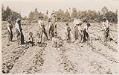
Photograph
Boys hoeing garden, Tulalip Indian School, circa 1912
The Tulalip Tribes are a confederation of several Coast Salish peoples including the Snohomish, Snoqualmie, Skykomish, Skagit, Suiattle, Samish, Stillaguamish, and other allied tribes and bands. In the 1855 Treaty of Point Elliott, these groups ceded most of their land to the United States and reserved the Tulalip Indian Reservation for their permanent homeland. They also reserved rights for hunting,…
ID Number:Lib1988.11.7
Date:Circa 1912
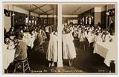
Photograph
Children eating dinner at Tulalip Indian School, circa 1912
The Tulalip Tribes are a confederation of several Coast Salish peoples including the Snohomish, Snoqualmie, Skykomish, Skagit, Suiattle, Samish, Stillaguamish, and other allied tribes and bands. In the 1855 Treaty of Point Elliott, these groups ceded most of their land to the United States and reserved the Tulalip Indian Reservation for their permanent homeland. They also reserved rights for hunting,…
ID Number:Lib1988.11.9
Date:Circa 1912
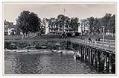
Photograph
Tulalip Indian School grounds, circa 1912
The Tulalip Tribes are a confederation of several Coast Salish peoples including the Snohomish, Snoqualmie, Skykomish, Skagit, Suiattle, Samish, Stillaguamish, and other allied tribes and bands. In the 1855 Treaty of Point Elliott, these groups ceded most of their land to the United States and reserved the Tulalip Indian Reservation for their permanent homeland. They also reserved rights for hunting,…
ID Number:Lib1988.11.11
Date:Circa 1912
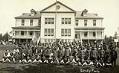
Photograph
Children in front of girls' dormitory building, Tulalip Indian School, circa 1912
The Tulalip Tribes are a confederation of several Coast Salish peoples including the Snohomish, Snoqualmie, Skykomish, Skagit, Suiattle, Samish, Stillaguamish, and other allied tribes and bands. In the 1855 Treaty of Point Elliott, these groups ceded most of their land to the United States and reserved the Tulalip Indian Reservation for their permanent homeland. They also reserved rights for hunting,…
ID Number:Lib1988.11.13
Date:Circa 1912
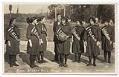
Photograph
Girls basketball team, Tulalip Indian School, 1912
The Tulalip Tribes are a confederation of several Coast Salish peoples including the Snohomish, Snoqualmie, Skykomish, Skagit, Suiattle, Samish, Stillaguamish, and other allied tribes and bands. In the 1855 Treaty of Point Elliott, these groups ceded most of their land to the United States and reserved the Tulalip Indian Reservation for their permanent homeland. They also reserved rights for hunting,…
ID Number:Lib1988.11.14
Date:1912

Photograph
Young women working in kitchen, Tulalip Indian School, circa 1912
The Tulalip Tribes are a confederation of several Coast Salish peoples including the Snohomish, Snoqualmie, Skykomish, Skagit, Suiattle, Samish, Stillaguamish, and other allied tribes and bands. In the 1855 Treaty of Point Elliott, these groups ceded most of their land to the United States and reserved the Tulalip Indian Reservation for their permanent homeland. They also reserved rights for hunting,…
ID Number:Lib1988.11.16
Date:Circa 1912
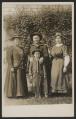
Photograph
Family portrait, Tulalip Indian School, circa 1912
The Tulalip Tribes are a confederation of several Coast Salish peoples including the Snohomish, Snoqualmie, Skykomish, Skagit, Suiattle, Samish, Stillaguamish, and other allied tribes and bands. In the 1855 Treaty of Point Elliott, these groups ceded most of their land to the United States and reserved the Tulalip Indian Reservation for their permanent homeland. They also reserved rights for hunting,…
ID Number:Lib1988.11.23
Date:Circa 1912
Photograph
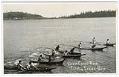
Canoe race, Tulalip Bay, circa 1912
The Tulalip Tribes are a confederation of several Coast Salish peoples including the Snohomish, Snoqualmie, Skykomish, Skagit, Suiattle, Samish, Stillaguamish, and other allied tribes and bands. In the 1855 Treaty of Point Elliott, these groups ceded most of their land to the United States and reserved the Tulalip Indian Reservation for their permanent homeland. They also reserved rights for hunting,…
ID Number:Lib1988.11.25
Date:Circa 1912