733 results for: Labor and Labor Unions
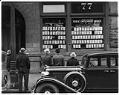
Photograph
Men looking at listings posted in the window of the Public Employment Office, Seattle, 1936
Writing on window in image: Women's Division Room 108 County City Bldg. Men's Division Public Employment Office, City of Seattle, In Cooperation with U.S. Employment Service, Help Supplied -- No Fees. Handwritten on sleeve: Employment Date photograph was filed at the Seattle Post-Intelligencer (date of photograph and file date may differ by a month or more): July 13, 1936United States…
ID Number:1986.5.2471.2
Date:1936
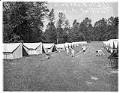
Photograph
Youth farm workers' camp near Auburn, June 28, 1943
World War II caused a shortage of farm labor. Some workers left to serve in the military. Japanese Americans, many of whom farmed in King County, Washington, were forcibly removed to inland incarceration camps. In late June 1943, a call went out asking Seattle and area residents to pick peas, berries, and other crops or work in canning plants. Several…
ID Number:1986.5.2904.1
Date:1943
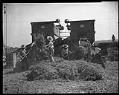
Photograph
Migrant workers harvesting hay, 1944
The entrance of the United States into World War II created a shortage of farm laborers, as American men left to serve in the war. In the Yakima Valley and western Washington, the labor shortage was exacerbated by the incarceration of Japanese-Americans, many of whom worked on farms. The Braceros program, a series of laws and diplomatic agreements between the…
ID Number:1986.5.2905.1
Date:1944
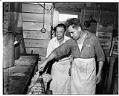
Photograph
Two men cooking in a kitchen of migrant camp, 1944
The entrance of the United States into World War II created a shortage of farm laborers, as American men left to serve in the war. In the Yakima Valley and western Washington, the labor shortage was exacerbated by the incarceration of Japanese-Americans, many of whom worked on farms. The Braceros program, a series of laws and diplomatic agreements between the…
ID Number:1986.5.2905.2
Date:1944
Photograph
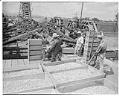
Migrant workers harvesting, Skagit Valley, 1943
The entrance of the United States into World War II created a shortage of farm laborers, as American men left to serve in the war. In the Yakima Valley and western Washington, the labor shortage was exacerbated by the incarceration of Japanese-Americans, many of whom worked on farms. The Braceros program, a series of laws and diplomatic agreements between the…
ID Number:1986.5.2907.1
Date:1943
Photograph
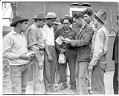
Migrant workers, Skagit Valley, 1943
The entrance of the United States into World War II created a shortage of farm laborers, as American men left to serve in the war. In the Yakima Valley and western Washington, the labor shortage was exacerbated by the incarceration of Japanese-Americans, many of whom worked on farms. The Braceros program, a series of laws and diplomatic agreements between the…
ID Number:1986.5.2907.2
Date:1943
Photograph
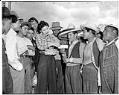
Mexican farm workers receiving paychecks, Skagit Valley, 1943
The entrance of the United States into World War II created a shortage of farm laborers, as American men left to serve in the war. In the Yakima Valley and western Washington, the labor shortage was exacerbated by the incarceration of Japanese-Americans, many of whom worked on farms. The Braceros program, a series of laws and diplomatic agreements between the…
ID Number:1986.5.2907.10
Date:1943
Photograph
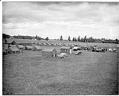
Migrant workers camp, Skagit Valley, 1943
The entrance of the United States into World War II created a shortage of farm laborers, as American men left to serve in the war. In the Yakima Valley and western Washington, the labor shortage was exacerbated by the incarceration of Japanese-Americans, many of whom worked on farms. The Braceros program, a series of laws and diplomatic agreements between the…
ID Number:1986.5.2907.12
Date:1943
Photograph
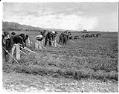
Teenage farm workers in Puyallup Valley, May 1942
World War II caused a shortage of farm labor in Washington state. Some workers had left to serve in the military. Japanese Americans, many of whom farmed on Bainbridge Island or in eastern King County, had been forcibly removed to inland incarceration camps.This May 1942 photo shows a row of high school students working as farm hands in a field…
ID Number:1986.5.2909.1
Date:1942
Photograph
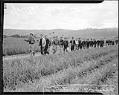
Teenage farm workers returning from the fields, June 1942
World War II caused a shortage of farm labor in Washington state. Some workers had left to serve in the military. Japanese Americans, many of whom farmed in King County, had been forcibly removed to inland incarceration camps. Governor Arthur B. Langlie declared the first week of June 1942 as "Farm Labor Week," and called for volunteers to help harvest…
ID Number:1986.5.2909.2
Date:1942