733 results for: Labor and Labor Unions
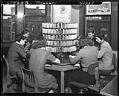
Photograph
Women working in Northern Pacific office, Seattle, 1945
Northern Pacific Railroad's traffic department had its offices on the second floor of the Smith Tower. These women appear to be taking reservations by phone from that office. Trains were heavily used during the war years for moving military personnel as well as ordinary citizens. Handwritten on sleeve: Strang & Prosser.Webster & Stevens number: 45-337
ID Number:1983.10.15348.1
Date:1945
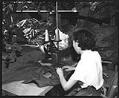
Photograph
Woman sewing in garment factory, Seattle, 1954
Title from inventory: Union Special Machine Co. - Sewing in Garment FactoryHandwritten on sleeve: Sewing in Garment Factory.Webster & Stevens number: 54-5140
ID Number:1983.10.18245.5
Date:1954
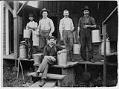
Photograph
Fruit pickers, 1911
Yakima County is still a center for the tree fruit industry. Irrigation efforts started in the 1870s, and by 1907, area orchards were producing apples, cherries, pears, peaches, plums, prunes, and apricots. About two million young fruit trees were planted in 1906 and early 1907 alone.This photo shows a group of fruit pickers with their pails at a Washington orchard.…
ID Number:1983.10.PA11.51
Date:1911
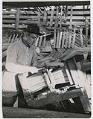
Photograph
Man nailing a bundle of shingles, circa 1915
Washington state's important cedar shingle industry began in the 1870s and grew quickly. In the first six months of 1905 alone, over 18,000 railroad cars full of shingles left the state for building projects all over the United States.In this photo, taken at a Washington mill in about 1915, a worker finishes packing a bundle of shingles. The skilled workers…
ID Number:1983.10.PA18.73
Date:Circa 1915
Photograph
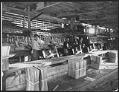
Men packing shingles, circa 1915
By 1893, Washington state had 150 mills which cut cedar shingles and sent them by rail to the rest of the United States. Cedar shingles make a good roof and wall covering because they are strong and light, and they shed rain and snow easily.In this photo, several millworkers pack the shingles into bundles. This photo was taken around 1915…
ID Number:1983.10.PA18.74
Date:1915
Photograph
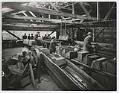
Shingle sawyers, circa 1915
Workers in the shingle mills took blocks of cedar, called bolts, and cut them to the right size with a series of saws. They then cut the wood into thin shingles. These skilled workers were called shingle weavers because of the way they moved the wood in the sharp saws. This was very dangerous work, and many millworkers had their…
ID Number:1983.10.PA18.75
Date:1915
Photograph
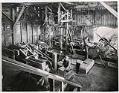
Workers in shingle mill, circa 1915
By 1893, Washington state had 150 mills which cut cedar shingles and sent them by rail to the rest of the United States. Cedar shingles make a good roof and wall covering because they are strong and light, and they shed rain and snow easily.In this photo, taken at a Washington mill in about 1915, workers are shown preparing shingle…
ID Number:1983.10.PA18.77
Date:Circa 1915
Photograph
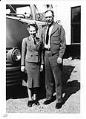
Bus driver Ralph Tucker and conductorette Berenyl Snyder Kelly of the Washington Motor Coach System, 1939
The Washington Motor Coach System was a bus line formed in 1925 by combining the certificates of a number of smaller companies. In 1933, the company began placing young women, called conductorettes, on the buses to assist the drivers. The conductorettes took tickets, made out trip reports and did other necessary bookkeeping. Along the route they made passengers comfortable, answered…
ID Number:1983.15.1
Date:1939
Photograph
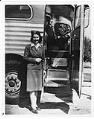
Washington Motor Coach conductorette Bunny Burke and driver Whit Randall, 1940
The Washington Motor Coach System was a bus line formed in 1925 by combining the certificates of a number of smaller companies. In 1933, the company began placing young women, called conductorettes, on the buses to assist the drivers. The conductorettes took tickets, made out trip reports and did other necessary bookkeeping. Along the route they made passengers comfortable, answered…
ID Number:1983.15.2
Date:1940
Photograph
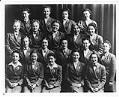
Group of Washington Motor Coach conductorettes, 1939
The Washington Motor Coach System was a bus line formed in 1925 by combining the certificates of a number of smaller companies. In 1933, the company began placing young women, called conductorettes, on the buses to assist the drivers. The conductorettes took tickets, made out trip reports and did other necessary bookkeeping. Along the route they made passengers comfortable, answered…
ID Number:1983.15.3
Date:1939