203 results for: Chinatown International District
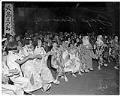
Photograph
Dancers at Bon Odori festival, Seattle, circa 1935
During the summer of 1932, Seattle's first Bon Odori festival was held by the Seattle Buddhist Church (Seattle Betsuin Buddhist Temple). Bon Odori is a traditional Japanese style of dancing performed during Obon, a Buddhist memorial service. The joyful dance celebrates selfless giving and expresses gratitude to departed family members and ancestors. Over the years, the annual open-to-all event has…
ID Number:PI22458
Date:Circa 1935
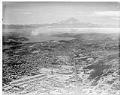
Photograph
Aerial view of the Rainier Valley after snowstorm, November 22, 1946
This aerial view of the Seattle's Rainier Valley was taken after two days of snow blanketed the city in late November 1946. The view looks southeast towards Mount Rainier, with Rainier Avenue South running upward from the bottom of the frame. Sick's Stadium is visible to the left of Rainier Avenue, in the lower third of the photo.At the time…
ID Number:PI27593
Date:1946
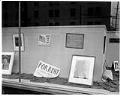
Photograph
Jackson Studio store window after exclusion of Japanese Americans, Seattle, May 1942
The exclusion of Seattle's Japanese families by the federal government during World War II changed the city in numerous ways. Among the more obvious signs were the shuttered and boarded up Japanese businesses along Main, Jackson and upper King Streets. Many of the families who managed or worked in the stores and shops never returned to the city after they…
ID Number:PI28066
Date:1942
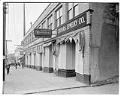
Photograph
Boarded up window displays on Jackson Street after forced removal of Japanese Americans, Seattle, 1942
The exclusion of Seattle's Japanese families by the federal government during World War II changed the city in numerous ways. Among the more obvious signs were the shuttered and boarded up Japanese businesses along Main, Jackson and upper King Streets. Many of the families who managed or worked in the stores and shops never returned to the city after they…
ID Number:PI28067
Date:1942
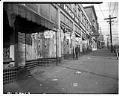
Photograph
Vacant stores after exclusion of Japanese Americans, Seattle, 1942
The exclusion of Seattle's Japanese families by the federal government during World War II changed the city in numerous ways. Among the more obvious signs were the shuttered and boarded up Japanese businesses along Main, Jackson and upper King Streets. Many of the families who managed or worked in the stores and shops never returned to the city after they…
ID Number:PI28068
Date:1942
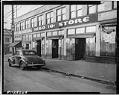
Photograph
Vacant stores after exclusion of Japanese Americans, 1942
The exclusion of Seattle's Japanese families by the federal government during World War II changed the city in numerous ways. Among the more obvious signs were the shuttered and boarded up Japanese businesses along Main, Jackson and upper King Streets. Many of the families who managed or worked in the stores and shops never returned to the city after they…
ID Number:PI28069
Date:1942
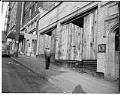
Photograph
Boarded up storefronts on 6th Ave. S after forced removal of Japanese Americans, Seattle, June 1942
The exclusion of Seattle's Japanese families by the federal government during World War II changed the city in numerous ways. Among the more obvious signs were the shuttered and boarded up Japanese businesses along Main, Jackson and upper King Streets. Many of the families who managed or worked in the stores and shops never returned to the city after they…
ID Number:PI28071
Date:1942
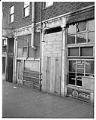
Photograph
Boarded up storefronts in Chinatown - International District after forced removal of Japanese Americans, Seattle, June 1942
The exclusion of Seattle's Japanese families by the federal government during World War II changed the city in numerous ways. Among the more obvious signs were the shuttered and boarded up Japanese businesses along Main, Jackson and upper King Streets. Many of the families who managed or worked in the stores and shops never returned to the city after they…
ID Number:PI28074
Date:1942
Photograph
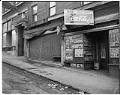
Closed businesses on S. Main St. after forced removal of Japanese Americans, Seattle, June 1942
The exclusion of Seattle's Japanese families by the federal government during World War II changed the city in numerous ways. Among the more obvious signs were the shuttered and boarded up Japanese businesses along Main, Jackson and upper King Streets. Many of the families who managed or worked in the stores and shops never returned to the city after they…
ID Number:PI28075
Date:1942
Photograph
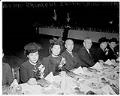
Kameno and Shinichi Seike at Nisei memorial dinner, Seattle, December 13, 1946
Nearly 1000 veterans, family members, and friends attended a Nisei veterans' testimonial banquet at Seattle's Civic Auditorium on December 13, 1946. The event, sponsored by the Japanese American Citizens League (JACL), featured speakers paying tribute to Nisei (second generation Japanese Americans) soldiers who lost their lives during World War II.Close relatives of those who died sat at special tables like…
ID Number:PI28185
Date:1946