203 results for: Chinatown International District
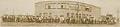
Photograph
Holsum Baking Co. employees pose in front of factory, Seattle, circa 1914
The Holsum Baking Company of Seattle incorporated in 1912, but went bankrupt just four years later amid allegations of fraud. The company was bought out by Seattle Baking Company, who ran a series of advertisements in 1921 called, "A Trip Through the Largest Modern Bakery in the Pacific Northwest." The Seattle Baking Company manufactured "Queenann," "Butter-Nut" and "Holsum" breads, and…
ID Number:1975.6000.1
Date:Circa 1914
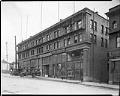
Photograph
Exterior of East Kong Yick Building, Seattle, circa 1920
Starting in 1907, Asian immigrants began moving their businesses into the area around Seattle's King Street. Ethnic enclaves helped reinforce cultural and kinship ties, and provided a sense of security from an often hostile white majority. The Chinese didn't have much choice; restrictive covenants by real estate agents and homeowners prevented Chinese and other Asians from living elsewhere. The neighborhood…
ID Number:1983.10.1774.1
Date:Circa 1920
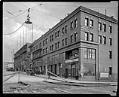
Photograph
Chinese section of downtown Seattle, circa 1920
Starting in 1907, Chinese and Japanese businesses began moving to the area around King Street. By the 1920s, most of Seattle's Chinese residents lived and worked there. The population was largely male, because very restrictive laws kept most Chinese wives from immigrating to the United States to join their husbands. Many of the men lived in rooms in the Hotel…
ID Number:1983.10.1774.2
Date:Circa 1920
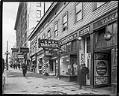
Photograph
Japanese clothing store and other Jackson Street businesses , circa 1919
Many Asian immigrants to Seattle settled in what is now the Chinatown International District. Some of the Japanese and Chinese immigrants ran clothing stores, barbershops, and other small business, such as those seen in this photo, taken about 1919. Signs include: Busch Hotel, Chop Suey Noodles, YamatoyaWebster & Stevens number: 82298
ID Number:1983.10.1775
Date:Circa 1919
Photograph
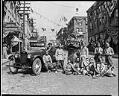
Chinese dance group with decorated car on King Street, May 1921
On May 23 through 28, 1921, Seattle's Chinese residents held a week-long carnival to raise money for the Chinese Famine Fund, which was raising money for the those impacted by famine in northern China. The event was called Go-Hing and was sponsored by the China Club, Chinese consul Goon Dip, and an advisory committee of Seattle and Washington state civic…
ID Number:1983.10.2187.2
Date:1921
Photograph
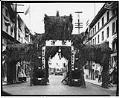
Chinese arch at the Go-Hing carnival, May 1921
On May 23 through 28, 1921, Seattle's Chinese residents held a week-long carnival to raise money for the Chinese Famine Fund, which was raising money for the those impacted by famine in northern China. The event was called Go-Hing and was sponsored by the China Club, Chinese consul Goon Dip, and an advisory committee of Seattle and Washington state civic…
ID Number:1983.10.2188
Date:1921
Photograph
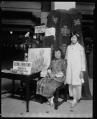
Chinese girls working on famine relief fund, May 1921
On May 23 through 28, 1921, Seattle's Chinese residents held a week-long carnival to raise money for the Chinese Famine Fund, which was raising money for the those impacted by famine in northern China. The event was called Go-Hing and was sponsored by the China Club, Chinese consul Goon Dip, and an advisory committee of Seattle and Washington state civic…
ID Number:1983.10.2189
Date:1921
Photograph
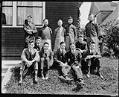
Chinese group, University of Washington, May 1921
On May 23 through 28, 1921, Seattle's Chinese residents held a week-long carnival to raise money for the Chinese Famine Fund, which was raising money for the those impacted by famine in northern China. The event was called Go-Hing and was sponsored by the China Club, Chinese consul Goon Dip, and an advisory committee of Seattle and Washington state civic…
ID Number:1983.10.2190
Date:1921
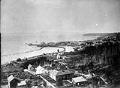
Photograph
View of Seattle, looking northwest from 12th St. and Dearborn, circa 1882
Much of Seattle was built on land reclaimed from Elliott Bay and the mouth of the Duwamish River. Muddy tide flats once extended all the way to the foot of Beacon Hill. Roads and railroad tracks were built over the flats on wooden trestles. Regrades in the early 20th century flattened Seattle’s hills and also provided more material for reclaimed…
ID Number:1983.10.6089
Date:Circa 1882
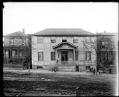
Photograph
Seattle Buddhist Temple, circa 1914
In 1901, a small group of Seattle's newer Japanese residents started a Buddhist mission society to meet various community needs. Because first generation Japanese immigrants couldn't own property, the society met in a rented house at Sixth Avenue and Main Street. In 1908, the group built its first temple on South Main Street.This photo shows the Seattle Buddhist Temple on…
ID Number:1983.10.9235
Date:Circa 1914