137 results for: Toys
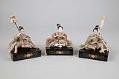
Three low servants from a Girls’ Day set, ca. 1930-1940
Girls’ Day (Hinamatsuri) is traditionally celebrated with a display of decorative dolls representing the Imperial Court. The dolls are arranged on a series of platforms, draped in red cloth. These three are low servants (sannin-jougo) helpers or protectors displaying angry, merry and sad faces. Also interpreted humorously as the three kinds of drunkards (sanshiki jogo, sannin jogo, or sannin namayoi):…
ID Number:1973.5711.6
Date:1930-1940
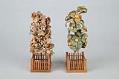
Cherry tree and citrus tree from a Girls’ Day set, ca. 1930-1940
Girls’ Day (Hinamatsuri) is traditionally celebrated with a display of decorative dolls representing the Imperial Court. The dolls and accessories are arranged on a series of platforms, draped in red cloth. It was traditional outside the imperial palace to have a cherry tree on the left and a citrus tree on the right (from the perspective of the emperor). These…
ID Number:1973.5711.7
Date:1930-1940
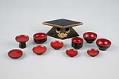
Dishes and mochi platform from a Girls’ Day set, ca. 1930-1940
Girls’ Day (Hinamatsuri) is traditionally celebrated with a display of decorative dolls representing the Imperial Court. The dolls and accessories are arranged on a series of platforms, draped in red cloth. This set of dishes includes a diamond-shaped platform for displaying colorful mochi. In 1942, the majority of the student body of the Bailey Gatzert Elementary School was of Japanese…
ID Number:1973.5711.8
Date:1930-1940
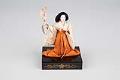
Court doll from a Girls’ Day set, ca. 1930-1940
Girls’ Day (Hinamatsuri) is traditionally celebrated with a display of decorative dolls representing the Imperial Court. The dolls and accessories are arranged on a series of platforms, draped in red cloth. This lady of the court carries a cherry branch. In 1942, the majority of the student body of the Bailey Gatzert Elementary School was of Japanese descent and all…
ID Number:1973.5711.9a
Date:1930-1940
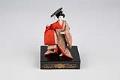
Court doll from a Girls’ Day set, ca. 1930-1940
Girls’ Day (Hinamatsuri) is traditionally celebrated with a display of decorative dolls representing the Imperial Court. The dolls and accessories are arranged on a series of platforms, draped in red cloth. This dancing court lady may be depicting a character from kabuki known as Fuji Musume or “The Wisteria Girl” (although her wisteria branch is missing). In 1942, the majority…
ID Number:1973.5711.9b
Date:1930-1940
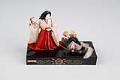
Court doll with chin dog from a Girls’ Day set, ca. 1930-1940
Girls’ Day (Hinamatsuri) is traditionally celebrated with a display of decorative dolls representing the Imperial Court. The dolls and accessories are arranged on a series of platforms, draped in red cloth. This court lady is depicted with a chin dog. In 1942, the majority of the student body of the Bailey Gatzert Elementary School was of Japanese descent and all…
ID Number:1973.5711.9c
Date:1930-1940
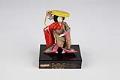
Court doll from a Girls’ Day set, ca. 1930-1940
Girls’ Day (Hinamatsuri) is traditionally celebrated with a display of decorative dolls representing the Imperial Court. The dolls and accessories are arranged on a series of platforms, draped in red cloth. This dancing court lady may be depicting a character from kabuki known as Fuji Musume or “The Wisteria Girl.” In 1942, the majority of the student body of the…
ID Number:1973.5711.9d
Date:1930-1940
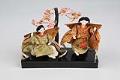
Court dolls from a Girls’ Day set, ca. 1930-1940
Girls’ Day (Hinamatsuri) is traditionally celebrated with a display of decorative dolls representing the Imperial Court. The dolls and accessories are arranged on a series of platforms, draped in red cloth. These dolls are aristocratic boys who served in the Imperial court. The wing-like decorations on their backs are for performing a butterfly dance. In 1942, the majority of the…
ID Number:1973.5711.9e
Date:1930-1940
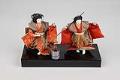
Court dolls from a Girls’ Day set, ca. 1930-1940
Girls’ Day (Hinamatsuri) is traditionally celebrated with a display of decorative dolls representing the Imperial Court. The dolls and accessories are arranged on a series of platforms, draped in red cloth. These dolls are likely two sisters from Shiokumi, a dance in Kabuki which shows scooping and carrying water. In 1942, the majority of the student body of the Bailey…
ID Number:1973.5711.9f
Date:1930-1940
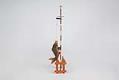
Small carp streamer for celebrating Boys’ Day, ca. 1930-1940
Boy’s Day (Tango no Sekku) is traditionally celebrated with the display of samurai armor or samurai dolls, and with carp streamers (koinobori). In 1942, the majority of the student body of the Bailey Gatzert Elementary School was of Japanese descent and all of these children were incarcerated during WWII. Because they were only able to take a few belongings with…
ID Number:1973.5711.11
Date:1930-1940