22 results for: McCurdy, James G.
Photograph
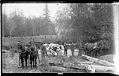
Logging horses and oxen, circa 1915
In the early days of logging in the Pacific Northwest, loggers generally hauled logs out of the woods to the mill or loading site using mules, horses or oxen. This James G. McCurdy photo, probably taken in the 1910s on the Olympic Peninsula, shows three men standing with two horse teams and an ox team at the edge of a…
ID Number:1955.970.552
Date:Circa 1915
Photograph
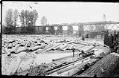
Log jam on the Snohomish River, November 1892
In the late fall of 1892, heavy rains filled the rivers of western Washington. The water rushed down the Snohomish River, sweeping away logs which were enroute to Everett area lumber and shingle mills. A huge log jam formed upstream from the Great Northern Railway bridge. This photo, taken in November 1892, shows the Snohomish River log jam. In spite…
ID Number:1955.970.579
Date:1892
Photograph
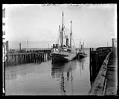
Coastal steamship "Corona," circa 1900
Between 1897 and 1909, the steamship "Corona" usually sailed in the coastal trade between California and Puget Sound. While in Alaska in 1898, the "Corona" ran aground on rocks off Lewis Island. The cargo was ruined but no lives were lost. During repairs to the vessel, workers discovered a huge blackfish tightly wedged in the hole in the ship's hull.…
ID Number:1955.970.594
Date:Circa 1900
Photograph
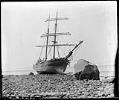
Brig "Tanner," 1902
The "Tanner" was one of the earliest vessels to make regular trips between San Francisco and Puget Sound. In 1866, the vessel arrived in Seattle carrying some of the Mercer Girls on the last leg of their voyage from the east coast. By 1900, the days of sailing ships had passed. The "Tanner" ended its days in 1902, beached and…
ID Number:1955.970.627
Date:1902
Photograph
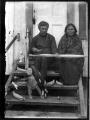
Young Doctor and his wife Lizzie, Neah Bay, circa 1900
The Makah people of the northwest tip of the Olympic Peninsula refer to themselves as Kwih-dich-chuh-ahtx, which translates roughly to "the people who live by the rocks and seagulls." The early Makah were skilled mariners, using several types of canoes which they carved from western red cedar for various purposes - war, whaling, fishing, sealing, carrying cargo, and long voyages.…
ID Number:1955.970.470.1
Date:Circa 1900
Photograph
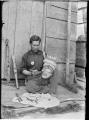
Atlieu, Nuu-cha-nulth carver, Neah Bay, circa 1900
The Nuu-chah-nulth are a group of 14 First Nations peoples living on the west side of Vancouver Island: Ditidaht, Huu-ay-aht, Hupacasath, Tse-shaht, Uchucklesaht, Ahousaht, Hesquiaht, Tla-o-qui-aht, Toquaht, Ucluelet, Ehattesaht, Kyuqout/Checlesaht, Mowachat/Muchalaht, and Nuchatlaht. They share cultural traditions and language but remain distinct nations, each with a hereditary chief. The Nuu-chah-nulth peoples were previously called the Nootka after European colonizers misunderstood…
ID Number:1955.970.470.2
Date:Circa 1900
Photograph
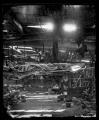
Interior of a longhouse, Neah Bay, circa 1900
The Makah people of the northwest tip of the Olympic Peninsula refer to themselves as Kwih-dich-chuh-ahtx, which translates roughly to "the people who live by the rocks and seagulls." The early Makah were skilled mariners, using several types of canoes which they carved from western red cedar for various purposes - war, whaling, fishing, sealing, carrying cargo, and long voyages.…
ID Number:1955.970.470.10
Date:Circa 1900
Photograph
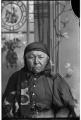
Quedessa, Makah woman, circa 1900
The Makah people of the northwest tip of the Olympic Peninsula refer to themselves as Kwih-dich-chuh-ahtx, which translates roughly to "the people who live by the rocks and seagulls." The early Makah were skilled mariners, using several types of canoes which they carved from western red cedar for various purposes - war, whaling, fishing, sealing, carrying cargo, and long voyages.…
ID Number:1955.970.470.13
Date:Circa 1900
Photograph
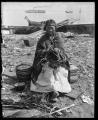
Makah woman making baskets at Neah Bay, circa 1905
The Makah people of the northwest tip of the Olympic Peninsula refer to themselves as Kwih-dich-chuh-ahtx, which translates roughly to "the people who live by the rocks and seagulls." The early Makah were skilled mariners, using several types of canoes which they carved from western red cedar for various purposes - war, whaling, fishing, sealing, carrying cargo, and long voyages.…
ID Number:1955.970.470.14
Date:Circa 1905
Photograph
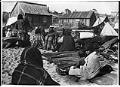
Group seated on the beach with trade items, Port Townsend, circa 1900
The people in this photograph are not identified, but the items they brought with them in their large sea-going canoes are visible-- bundles of dried cattails for weaving mats and a large, decorated Chinese trunk. The woman in the center appears to be holding a mirror. The buildings in the distant background indicate the location is probably Port Townsend, Washington.…
ID Number:1955.970.470.22
Date:Circa 1900