94 results for: Chicano/a Latino/a Culture
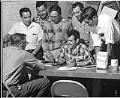
Photograph
Tomas Villanueva with Co-op members at the United Farm Workers Cooperative, Toppenish, Washington, July 1967
In July 1967, Mexican-American farm workers in the Yakima Valley started the United Farm Workers Cooperative in Toppenish. At the time, the Co-op was not affiliated with the United Farm Workers (UFW) movement led by Cesar Chavez. The Co-op sold shares for $5 and by August 1967, 150 families had purchased shares. Co-op prices averaged 7% less than grocery stores…
ID Number:1986.5.2894.1
Date:1967
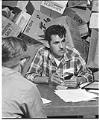
Photograph
Tomas Villanueva at the United Farm Workers Cooperative, Toppenish, Washington, July 1967
In July 1967, Mexican-American farm workers in the Yakima Valley started the United Farm Workers Cooperative in Toppenish. At the time, the Co-op was not affiliated with the United Farm Workers (UFW) movement led by Cesar Chavez. The Co-op sold shares for $5 and by August 1967, 150 families had purchased shares. Co-op prices averaged 7% less than grocery stores…
ID Number:1986.5.2894.2
Date:1967
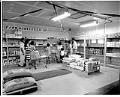
Photograph
Members shopping at the United Farm Workers Cooperative, Toppenish, Washington, July 1967
In July 1967, Mexican-American farm workers in the Yakima Valley started the United Farm Workers Cooperative in Toppenish. At the time, the Co-op was not affiliated with the United Farm Workers (UFW) movement led by Cesar Chavez. The Co-op sold shares for $5 and by August 1967, 150 families had purchased shares. Co-op prices averaged 7% less than grocery stores…
ID Number:1986.5.2894.3
Date:1967
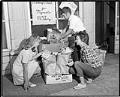
Photograph
Group sorting donations for migrant farm workers, Seattle, August 21, 1967
In August 1967, more than 8,000 migrant workers arrived in the Yakima Valley before crops were ready to harvest. Poor harvests in neighboring states had pushed them to the Yakima Valley early to look for work. Unfortunately, no work was available when they arrived and thousands of migrants were forced to wait for the apple harvest in September. Most could…
ID Number:1986.5.2901.11
Date:1967
Photograph
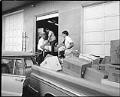
Men delivering boxes of goods for shipment to migrant farm workers, Seattle, August 21, 1967
In August 1967, more than 8,000 migrant workers arrived in the Yakima Valley before crops were ready to harvest. Poor harvests in neighboring states had pushed them to the Yakima Valley to look for work. Unfortunately, no work was available when they arrived and thousands of migrants were forced to wait for the apple harvest in September. Most could not…
ID Number:1986.5.2902.5
Date:1967
Photograph
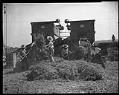
Migrant workers harvesting hay, 1944
The entrance of the United States into World War II created a shortage of farm laborers, as American men left to serve in the war. In the Yakima Valley and western Washington, the labor shortage was exacerbated by the incarceration of Japanese-Americans, many of whom worked on farms. The Braceros program, a series of laws and diplomatic agreements between the…
ID Number:1986.5.2905.1
Date:1944
Photograph
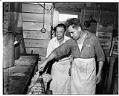
Two men cooking in a kitchen of migrant camp, 1944
The entrance of the United States into World War II created a shortage of farm laborers, as American men left to serve in the war. In the Yakima Valley and western Washington, the labor shortage was exacerbated by the incarceration of Japanese-Americans, many of whom worked on farms. The Braceros program, a series of laws and diplomatic agreements between the…
ID Number:1986.5.2905.2
Date:1944
Photograph
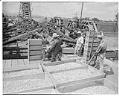
Migrant workers harvesting, Skagit Valley, 1943
The entrance of the United States into World War II created a shortage of farm laborers, as American men left to serve in the war. In the Yakima Valley and western Washington, the labor shortage was exacerbated by the incarceration of Japanese-Americans, many of whom worked on farms. The Braceros program, a series of laws and diplomatic agreements between the…
ID Number:1986.5.2907.1
Date:1943
Photograph
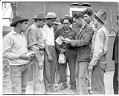
Migrant workers, Skagit Valley, 1943
The entrance of the United States into World War II created a shortage of farm laborers, as American men left to serve in the war. In the Yakima Valley and western Washington, the labor shortage was exacerbated by the incarceration of Japanese-Americans, many of whom worked on farms. The Braceros program, a series of laws and diplomatic agreements between the…
ID Number:1986.5.2907.2
Date:1943
Photograph
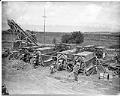
Mexican farm workers operating pea sheller, Skagit Valley, August 1943
The entrance of the United States into World War II created a shortage of farm laborers, as American men left to serve in the war. In the Yakima Valley and western Washington, the labor shortage was exacerbated by the incarceration of Japanese-Americans, many of whom worked on farms. The Braceros program, a series of laws and diplomatic agreements between the…
ID Number:1986.5.2907.6
Date:1943