416 results for: Clothing and Dress
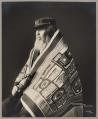
Photograph
Chief Anotklosh of the Taku, Alaska, circa 1913
The Tlingit people have lived on the coast and islands of what is now southeastern Alaska since time immemorial. Tlingit society is organized into clans, which follow maternal descent. Fishing, gathering, and hunting were central to historic Tlingit lifeways – they used salmon, shellfish, seals, berries, deer, and other food sources. They used every part for different purposes, not wasting…
ID Number:SHS14163
Date:Circa 1913
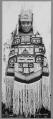
Photograph
Tal Tan Billy, Alaska, circa 1898 - 1920
The Tlingit are a group of Indigenous peoples whose traditional home is on the coast of southeastern Alaska. The Tlingit, as well as neighboring groups, weave elaborate ceremonial blankets with abstracted images of animals. The blankets are called Chilkat blankets after one of the Tlingit tribes, and are traditionally worn during important events.The man in this photograph wears a woven…
ID Number:SHS14164
Date:Circa 1909
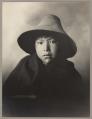
Photograph
Tlingit boy wearing a woven hat, Sitka, circa 1915
The Tlingit people have lived on the coast and islands of what is now southeastern Alaska since time immemorial. Tlingit society is organized into clans, which follow maternal descent. Fishing, gathering, and hunting were central to historic Tlingit lifeways. They used salmon, shellfish, seals, berries, deer, and other food sources, making sure to use every part for different purposes, not…
ID Number:SHS14167
Date:Circa 1915
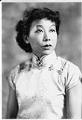
Photograph
Lillian Goon Dip, 1937
Lillian Goon was born in Portland, Oregon in 1900. Her father was Seattle’s Chinese consul and hotel owner Goon Dip. Until 1933, Lillian Goon lived with her family at the Milwaukee Hotel, in Seattle’s Chinatown. She graduated from the University of Washington in 1924. Ms. Goon studied ballet with several teachers, including Seattle’s Mary Ann Wells, and she frequently performed…
ID Number:SHS15846
Date:1937
Photograph
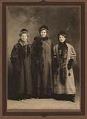
Three women in Skagway, circa 1900
By 1900, American and European women made up 23% of Skagway's population. Some were housewives or nuns. Others were secretaries, taught school, wrote for newspapers, cared for the sick, or ran shops and other businesses.This photo portrait, taken around 1900, shows three Skagway women wearing long warm coats and furs. They are (L to R) Mrs. Daisy Bushell, Lou Doubler,…
ID Number:SHS15931
Date:Circa 1900
Photograph
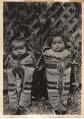
Cayuse twin babies in cradleboards, October 2, 1898
The Cayuse people historically lived in the Blue Mountains of northeastern Oregon and southeastern Washington, where they fish from rivers that flow into the Columbia. They were in an advantageous position between the coast and the Great Plains, allowing them to trade between both. The Cayuse owned horses in large numbers, which led to their expansion and brought them into…
ID Number:SHS17303
Date:1898