835 results for: Neighborhoods
Photograph
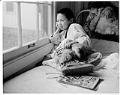
Young patient looking out of window at Firland Sanatorium, Seattle, December 1, 1954
Firland Sanatorium, Seattle’s municipal tuberculosis hospital, opened on May 2, 1911, to help combat what was at the time Seattle’s leading cause of death. Firland was located north of Seattle, on land donated by railroad magnate Horace C. Henry (1844-1928), whose son Walter had died of TB. The hospital served there until its move in 1947 to a former Naval…
ID Number:1986.5.9391.1
Date:1954
Photograph
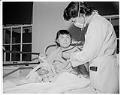
Doctor examining young patient at Firland Sanatorium, Seattle, December 1, 1954
Firland Sanatorium, Seattle’s municipal tuberculosis hospital, opened on May 2, 1911, to help combat what was at the time Seattle’s leading cause of death. Firland was located north of Seattle, on land donated by railroad magnate Horace C. Henry (1844-1928), whose son Walter had died of TB. The hospital sered there until its move in 1947 to a former Naval…
ID Number:1986.5.9391.2
Date:1954
Photograph
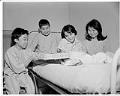
Young patient giving another a gift at Firland Sanatorium, Seattle, December 1, 1954
Firland Sanatorium, Seattle’s municipal tuberculosis hospital, opened on May 2, 1911, to help combat what was at the time Seattle’s leading cause of death. Firland was located north of Seattle, on land donated by railroad magnate Horace C. Henry (1844-1928), whose son Walter had died of TB. The hospital served there until its move in 1947 to a former Naval…
ID Number:1986.5.9391.3
Date:1954
Photograph
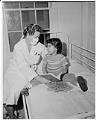
Teacher reading to young girl at Firland Sanitarium, Seattle, November 8, 1955
Firland Sanatorium, Seattle’s municipal tuberculosis hospital, opened on May 2, 1911, to help combat what was at the time Seattle’s leading cause of death. Firland was located north of Seattle, on land donated by railroad magnate Horace C. Henry (1844-1928), whose son Walter had died of TB. The hospital served there until its move in 1947 to a former Naval…
ID Number:1986.5.9564.1
Date:1955
Photograph
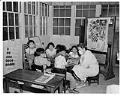
Teacher reading to students at Firland Sanitarium, Seattle, November 8, 1955
Firland Sanatorium, Seattle’s municipal tuberculosis hospital, opened on May 2, 1911, to help combat what was at the time Seattle’s leading cause of death. Firland was located north of Seattle, on land donated by railroad magnate Horace C. Henry (1844-1928), whose son Walter had died of TB. The hospital served there until its move in 1947 to a former Naval…
ID Number:1986.5.9564.2
Date:1955
Photograph
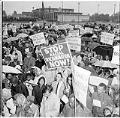
Open housing demonstration at Garfield playfield, Seattle, October 20, 1963
In the mid-20th century, protesters began challenging long-established inequitable practices in housing. Racially restrictive housing covenants and discriminatory lending (“redlining”) excluded people of color from buying or renting housing in most of Seattle’s neighborhoods. In 1963, the Seattle Human Rights Commission drafted an open housing ordinance and presented it to the City Council for approval. The Council held public hearings…
ID Number:1986.5.9653.7
Date:1963
Photograph
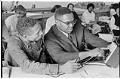
Seattle Opportunities Industrialization Center (SOIC) open house, 1967
The Seattle Opportunities Industrialization Center, or SOIC (pronounced "So I see"), was established in 1966, largely through a grant from the Office of Economic Opportunity, the federal agency funding "war on poverty" programs. Modeled after the original OIC started by a Philadelphia minister two years earlier, the community-based program recruited, trained and placed unemployed people in the labor market. The…
ID Number:1986.5.10043.1
Date:1967
Photograph
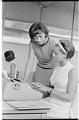
Seattle Opportunities Industrialization Center (SOIC) open house, 1967
The Seattle Opportunities Industrialization Center, or SOIC (pronounced "So I see"), was established in 1966, largely through a grant from the Office of Economic Opportunity, the federal agency funding "war on poverty" programs. Modeled after the original OIC started by a Philadelphia minister two years earlier, the community-based program recruited, trained and placed unemployed people in the labor market. The…
ID Number:1986.5.10043.2
Date:1967
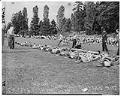
Photograph
Boys participating in pie eating contest, Seattle, August 3, 1947
The Rainier District Pow Wow began in the midst of the Great Depression as a day-long community picnic at Seward Park. Between 1934 and 1992, when it ended, pow wow events paralleled what was going on in the rest of the country, celebrating neighborhood commerce in the 1930s, patriotism during World War II, the Baby Boom of the late 1940s…
ID Number:1986.5.11290.1
Date:1947
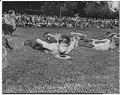
Photograph
Gordon Bradbury in pie eating contest, Seattle, August 3, 1947
The Rainier District Pow Wow began in the midst of the Great Depression as a day-long community picnic at Seward Park. Between 1934 and 1992, when it ended, pow wow events paralleled what was going on in the rest of the country, celebrating neighborhood commerce in the 1930s, patriotism during World War II, the Baby Boom of the late 1940s…
ID Number:1986.5.11290.2
Date:1947