3503 results for: Seattle Photographic Co.
Photograph
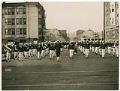
Parade of Naval Training Station personnel, Seattle, circa 1918
During World War I a temporary Naval Training Station was set up on the University of Washington campus, near where the university's health sciences center is now located. The training camp was active from 1917-1919, during which time over 5,000 mostly college students were trained for both naval and naval aviation units.This image of U. S. Navy trainees on parade…
ID Number:Lib1993.35.1.9
Date:Circa 1918
Photograph
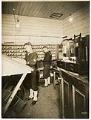
Mail room at the Naval Training Station, Seattle, circa 1918
During World War I a temporary Naval Training Station was set up on the University of Washington campus, near where the university's health sciences center is now located. The training camp was active from 1917-1919, during which time over 5,000 mostly college students were trained for both naval and naval aviation units. This image of U. S. Navy personnel was…
ID Number:Lib1993.35.1.18
Date:Circa 1918
Photograph
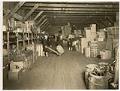
Supply room at the Naval Training Station, Seattle, circa 1918
During World War I a temporary Naval Training Station was set up on the University of Washington campus, near where the university's health sciences center is now located. The training camp was active from 1917-1919, during which time over 5,000 mostly college students were trained for both naval and naval aviation units. This image of U. S. Navy personnel was…
ID Number:Lib1993.35.1.19
Date:Circa 1918
Photograph
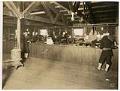
Shoemakers at the Naval Training Station, Seattle, circa 1918
During World War I a temporary Naval Training Station was set up on the University of Washington campus, near where the university's health sciences center is now located. The training camp was active from 1917-1919, during which time over 5,000 mostly college students were trained for both naval and naval aviation units. This image of U. S. Navy personnel making,…
ID Number:Lib1993.35.1.20
Date:Circa 1918
Photograph
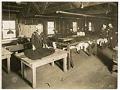
Tailors at the Naval Training Station, Seattle, circa 1918
During World War I a temporary Naval Training Station was set up on the University of Washington campus, near where the university's health sciences center is now located. The training camp was active from 1917-1919, during which time over 5,000 mostly college students were trained for both naval and naval aviation units. This image of U. S. Navy personnel measuring…
ID Number:Lib1993.35.1.21
Date:Circa 1918
Photograph
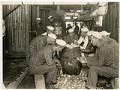
Cadets peeling potatoes at the Naval Training Station, Seattle, circa 1918
During World War I a temporary Naval Training Station was set up on the University of Washington campus, near where the university's health sciences center is now located. The training camp was active from 1917-1919, during which time over 5,000 mostly college students were trained for both naval and naval aviation units. This image show Naval Training Station cadets seated…
ID Number:Lib1993.35.1.22
Date:Circa 1918
Photograph
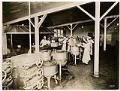
Meal preparation at the Naval Training Station, Seattle, circa 1918
During World War I a temporary Naval Training Station was set up on the University of Washington campus, near where the university's health sciences center is now located. The training camp was active from 1917-1919, during which time over 5,000 mostly college students were trained for both naval and naval aviation units. This image of U. S. Navy personnel at…
ID Number:Lib1993.35.1.23
Date:Circa 1918
Photograph
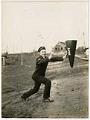
Man with Navy megaphone at the Naval Training Station, Seattle, circa 1918
During World War I a temporary Naval Training Station was set up on the University of Washington campus, near where the university's health sciences center is now located. The training camp was active from 1917-1919, during which time over 5,000 mostly college students were trained for both naval and naval aviation units. This image shows an enthusiastic Navy fan cheering…
ID Number:Lib1993.35.1.33
Date:Circa 1918
Photograph
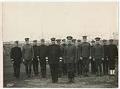
Officers at the Naval Training Station, Seattle, circa 1918
During World War I a temporary Naval Training Station was set up on the University of Washington campus, near where the university's health sciences center is now located. The training camp was active from 1917-1919, during which time over 5,000 mostly college students were trained for both naval and naval aviation units. This image of U. S. Navy officers posing…
ID Number:Lib1993.35.1.35
Date:Circa 1918
Photograph
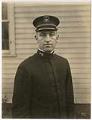
Officer Roy Maryatt at the Naval Training Station, Seattle, circa 1918
During World War I a temporary Naval Training Station was set up on the University of Washington campus, near where the university's health sciences center is now located. The training camp was active from 1917-1919, during which time over 5,000 mostly college students were trained for both naval and naval aviation units. This image shows Roy Lincoln Maryatt, Sr. (1891-1980),…
ID Number:Lib1993.35.1.42
Date:Circa 1918