30 results for: Temperance and Prohibition
Photograph
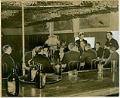
Jurors in coroner's inquest convening at speakeasy, Seattle, August 8, 1941
A deadly gun battle during an robbery attempt in Seattle left three men dead and seven more wounded on August 3, 1941, at a basement speakeasy at 410B Second Avenue. A coroner's jury was convened a few days later for the inquest into the killings. At the time, Seattleites had widely differing views over the city government's role in the…
ID Number:2000.107.174.16.02
Date:1941
Photograph
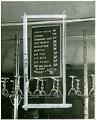
Price list displayed at Yukon Club, 87 Pike Street, Seattle, November 30, 1947
The repeal of federal prohibition in 1933 was not the end of laws controlling the sale and consumption of liquor in Seattle. Public support for prohibition had waned as liquor-related crime continued to increase and enforcement efforts continued to strain staff and budgets. However, regulating the manufacture and consumption of alcohol remained a regular part of the business of Seattle…
ID Number:2000.107.174.16.03
Date:1947
Photograph
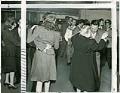
Patrons dancing during police raid at Yukon Club, Seattle, November 30, 1947
The repeal of federal prohibition in 1933 was not the end of laws controlling the sale and consumption of liquor in Seattle. Public support for prohibition had waned as liquor-related crime continued to increase and enforcement efforts continued to strain staff and budgets. However, regulating the manufacture and consumption of alcohol remained a regular part of the business of Seattle…
ID Number:2000.107.174.16.04
Date:1947
Photograph
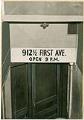
Entrance to the Stork Club, 912 1/2 1st Ave., Seattle, May 3, 1945
The repeal of federal prohibition in 1933 was not the end of laws controlling the sale and consumption of liquor in Seattle. Public support for prohibition had waned as liquor-related crime continued to increase and enforcement efforts continued to strain staff and budgets. However, regulating the manufacture and consumption of alcohol remained a regular part of the business of Seattle…
ID Number:2000.107.174.16.05
Date:1945
Photograph
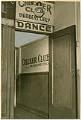
Entrance to the Checker Club, 1115 1/2 1st Ave., Seattle, May 3, 1945
The repeal of federal prohibition in 1933 was not the end of laws controlling the sale and consumption of liquor in Seattle. Public support for prohibition had waned as liquor-related crime continued to increase and enforcement efforts continued to strain staff and budgets. However, regulating the manufacture and consumption of alcohol remained a regular part of the business of Seattle…
ID Number:2000.107.174.16.06
Date:1945
Photograph
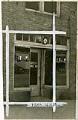
Entrance to the U&I Club, 1223 Jackson Street, Seattle, May 3, 1945
The repeal of federal prohibition in 1933 was not the end of laws controlling the sale and consumption of liquor in Seattle. Public support for prohibition had waned as liquor-related crime continued to increase and enforcement efforts continued to strain staff and budgets. However, regulating the manufacture and consumption of alcohol remained a regular part of the business of Seattle…
ID Number:2000.107.174.16.07
Date:1945
Photograph
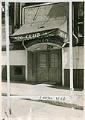
Entrance to the 420 Club, 420 2nd Ave., Seattle, May 3, 1945
The repeal of federal prohibition in 1933 was not the end of laws controlling the sale and consumption of liquor in Seattle. Public support for prohibition had waned as liquor-related crime continued to increase and enforcement efforts continued to strain staff and budgets. However, regulating the manufacture and consumption of alcohol remained a regular part of the business of Seattle…
ID Number:2000.107.174.16.08
Date:1945
Correspondence
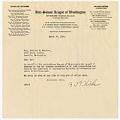
Letter from B. N. Hicks to Charles Heifner, March 20, 1929
The Anti-Saloon League was but one of the organizations active in the nationwide prohibition movement. In 1929, the Washington chapter sponsored bills in the state legislature increasing penalties on the violations of the state’s prohibition law. In this letter, written on March 20, 1929, the League’s State Superintendent, B. N. Hicks, thanks State Senator Charles Heifner of King County for…
ID Number:2013.58.18
Date:1929
Ephemera
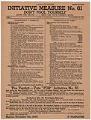
Initiative measure no. 61 flier, 1932
Washington state voters had approved a Prohibition initiative in 1914, several years before the 18th Amendment to the US Constitution, enforced by the Volstead Act, outlawed alcohol nationwide. By 1932, as in much of the rest of the country, Washington citizens were turning against Prohibition. That year, State Initiative 61 was approved by voters, which removed regulations on the importation,…
ID Number:2018.3.3.15
Date:1932
Photograph
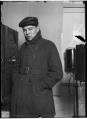
Alfred M. Hubbard, Seattle, circa 1924
During Seattle's Prohibition years in the 1920s, Roy Olmstead became one of the largest and most successful bootleggers in King County. Learning how the trade operated from involvement in raids and arrests while serving as a Seattle Police Lieutenant, Olmstead noted the lack of organization of many bootleggers and began his own operation. His operation eventually grew to include many…
ID Number:SHS17299
Date:Circa 1924