3246 results for: Seattle Post-Intelligencer, The
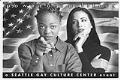
Postcard
Seattle Gay Culture Center postcard, 2000
The Seattle Gay Culture Center was one of the early initiatives of the Queen City Development Corporation (QCDC), founded in 1996 by local activist David Schraer. The QCDC was the result of discussions between Washington State LGBT leaders and experts in community and economic development about building institutional capacity and addressing gaps in services available to Washington's LGBT community. Later…
ID Number:2019.69.15.1
Date:2000
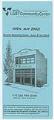
Ephemera
Seattle LGBT Community Center brochure, 2002
The Queen City Development Corporation (QCDC), founded in 1996 by local activist David Schraer, was the result of discussions between Washington State LGBT leaders and experts in community and economic development about building institutional capacity and addressing gaps in services available to Washington's LGBT community. Later called Queen City Community Development (QCCD), the non-profit’s original initiatives included affordable LGBT senior…
ID Number:2019.69.17.1
Date:2002
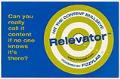
Ephemera
FizzyLab brochure, 2001
The short-lived Seattle start-up FizzyLab was founded in July 1999 by Scott Hudson and Ken Willner. Marketed to companies with large content archives, FizzyLab’s “Relevator” tool helped Internet users find articles matching their interests more easily. Many of the customers for FizzyLab’s subscriber-based services were newspapers and magazines, including the Seattle Post-Intelligencer. The product allowed content providers to pull up…
ID Number:2019.69.36.1
Date:2001
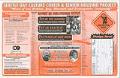
Ephemera
Seattle Gay Culture Center and Senior Housing Project mailer, 2000
The Seattle Gay Culture Center and Senior Housing Project was an initiative of the Queen City Development Corporation (QCDC), founded in 1996 by local activist David Schraer. The QCDC was the result of discussions between Washington State LGBT leaders and experts in community and economic development about building institutional capacity and addressing gaps in services available to Washington's LGBT community.…
ID Number:2019.69.39.1
Date:2000
Photograph
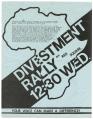
Flier for UW divestment rally at Red Square, July 1986
When South Africa’s National Party came to power in 1948, the white leadership put extreme laws in place forcing the country’s racial groups to live and develop separately. These “apartheid” laws caused much hardship and resentment. The growth of the Civil Rights Movement in the United States in the 1950s brought attention to apartheid, and in the 1970s and 80s,…
ID Number:2019.96.2.19.1
Date:1986
Photograph
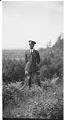
John Young at Fort Worden, 1936
In June 1936, over 100 members of the U.S. Army Reserve Officers Training Corps (ROTC) from colleges in California, Washington, and Utah arrived at Fort Worden in Port Townsend for training. Among the cadets was John Chew Young (1912-1987), a Chinese-American student from San Jose, California, arriving for his second consecutive summer of training at the US Army base. A…
ID Number:2020.13.1
Date:1936
Photograph
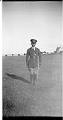
John Young at Fort Worden, 1936
In June 1936, over 100 members of the U.S. Army Reserve Officers Training Corps (ROTC) from colleges in California, Washington, and Utah arrived at Fort Worden in Port Townsend for training. Among the cadets was John Chew Young (1912-1987), a Chinese-American student from San Jose, California, arriving for his second consecutive summer of training at the US Army base. A…
ID Number:2020.13.2
Date:1936
Photograph
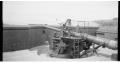
John Young standing on disappearing gun platform at Fort Worden, 1936
In June 1936, over 100 members of the U.S. Army Reserve Officers Training Corps (ROTC) from colleges in California, Washington, and Utah arrived at Fort Worden in Port Townsend for training. Among the cadets was John Chew Young (1912-1987), a Chinese-American student from San Jose, California, arriving for his second consecutive summer of training at the US Army base. A…
ID Number:2020.13.3
Date:1936
Photograph
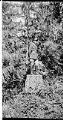
John Young at Fort Worden, 1936
In June 1936, over 100 members of the U.S. Army Reserve Officers Training Corps (ROTC) from colleges in California, Washington, and Utah arrived at Fort Worden in Port Townsend for training. Among the cadets was John Chew Young (1912-1987), a Chinese-American student from San Jose, California, arriving for his second consecutive summer of training at the US Army base. A…
ID Number:2020.13.4
Date:1936
Photograph
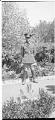
John Young at Fort Worden, 1936
In June 1936, over 100 members of the U.S. Army Reserve Officers Training Corps (ROTC) from colleges in California, Washington, and Utah arrived at Fort Worden in Port Townsend for training. Among the cadets was John Chew Young (1912-1987), a Chinese-American student from San Jose, California, arriving for his second consecutive summer of training at the US Army base. A…
ID Number:2020.13.5
Date:1936