427 results for: Civil Rights
Photograph
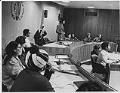
Protesters taking over City Council meeting, November 10, 1972
Seattle had a growing Latino population in the late 1960s, and activists had been pressing the city for a building in which to establish a Chicano community center. Tired of having their requests ignored, in October 1972 they took over the abandoned Beacon Hill School on 16th Avenue South and renamed it El Centro de la Raza. After a 75-day…
ID Number:2000.107.124.39.07
Date:1972
Photograph
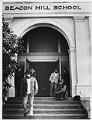
Protesters outside Beacon Hill School, October 11, 1972
Seattle had a growing Latino population in the late 1960s, and activists had been pressing the city for a building in which to establish a Chicano community center. Tired of having their requests ignored, in October 1972 they took over the abandoned Beacon Hill School on 16th Avenue South and renamed it El Centro de la Raza. After a 75-day…
ID Number:2000.107.124.39.08
Date:1972
Photograph
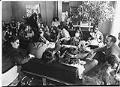
Sit-in at Mayor's office, April 5, 1973
Seattle had a growing Latino population in the late 1960s, and activists had been pressing the city for a building in which to establish a Chicano community center. Tired of having their requests ignored, in October 1972 they took over the abandoned Beacon Hill School on 16th Avenue South and renamed it El Centro de la Raza. After a 75-day…
ID Number:2000.107.124.39.09
Date:1973
Photograph
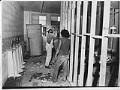
Carpenters renovating bathrooms at Centro de la Raza, August 2, 1973
Seattle had a growing Latino population in the late 1960s, and activists had been pressing the city for a building in which to establish a Chicano community center. Tired of having their requests ignored, in October 1972 they took over the abandoned Beacon Hill School on 16th Avenue South and renamed it El Centro de la Raza. After a 75-day…
ID Number:2000.107.124.39.10
Date:1973
Photograph
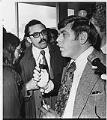
Keo Capastany and Robert Gogerty at Mayor's office sit-in, April 5, 1973
Seattle had a growing Latino population in the late 1960s, and activists had been pressing the city for a building in which to establish a Chicano community center. Tired of having their requests ignored, in October 1972 they took over the abandoned Beacon Hill School on 16th Avenue South and renamed it El Centro de la Raza. After a 75-day…
ID Number:2000.107.124.39.13
Date:1973
Photograph
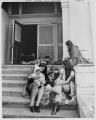
Women and children on steps of Beacon Hill School during occupation, October 1972
Seattle had a growing Latino population in the late 1960s, and activists had been pressing the city for a building in which to establish a Chicano community center. Tired of having their requests ignored, in October 1972 they took over the abandoned Beacon Hill School on 16th Avenue South and renamed it El Centro de la Raza. After a 75-day…
ID Number:2000.107.124.39.17
Date:1972
Photograph
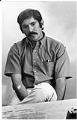
Roberto Trevino, Seattle, August 20, 1970
In this image, Roberto Trevino, a senior at University of Washington, discusses a summer voter registration drive for Mexican-Americans in Yakima Valley that he headed in his hometown of Granger, Washington. During this same period, Mr. Trevino, along with his brother Carlos Trevino and fellow student Guadalupe Gamboa, formed the first strike organizing committee in the hop fields of Yakima…
ID Number:2000.107.124.40.07
Date:1970
Photograph
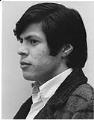
Jesus Lemos discussing the Chicano Movement, Seattle, May 9, 1970
During the summer of 1970 Brown Berets from the University of Washington led a voter registration drive in the Yakima Valley, and helped push the United States Supreme Court to hear the case against Yakima Valley registrars who refused to permit Spanish speaking Mexican-Americans to vote. The Brown Berets organized pickets, welfare protests, and interrupted community meetings to promote bills…
ID Number:2000.107.124.40.08
Date:1970
Photograph
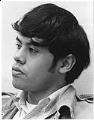
Antonio Salazar discussing the Chicano Movement, Seattle, May 9, 1970
During the summer of 1970, Brown Berets from the University of Washington led a voter registration drive in the Yakima Valley and helped push the United States Supreme Court to hear the case against Yakima Valley registrars who refused to permit Spanish speaking Mexican-Americans to vote. The Brown Berets organized pickets, welfare protests, and interrupted community meetings to promote bills…
ID Number:2000.107.124.40.09
Date:1970
Photograph
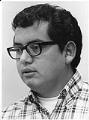
Luis Gamboa discussing the Chicano Movement, Seattle, May 9, 1970
During the summer of 1970, Brown Berets from the University of Washington led a voter registration drive in the Yakima Valley and helped push the United States Supreme Court to hear the case against Yakima Valley registrars who refused to permit Spanish speaking Mexican-Americans to vote. The Brown Berets organized pickets, welfare protests, and interrupted community meetings to promote bills…
ID Number:2000.107.124.40.10
Date:1970