154 results for: Alaska-Yukon-Pacific Exposition (AYPE)
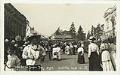
Photograph
Crowds on Japan Day at the Alaska-Yukon-Pacific Exposition, Seattle, September 4, 1909
The Alaska–Yukon–Pacific Exposition (AYPE) was a world's fair held in Seattle in 1909, publicizing the development of the Pacific Northwest. The fairgrounds became the campus of the University of Washington.Otto D. Goetze (b. 1871) was an American photographer who owned the Alaska Photo Studio in Seattle from 1909 to 1912. He also photographed the Alaska Gold Rush from 1891 to…
ID Number:1995.38.37.110
Date:1909
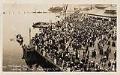
Photograph
Mayflower Passengers landing on New England Day at the Alaska-Yukon-Pacific Exposition, Seattle, September 11, 1909
The Alaska–Yukon–Pacific Exposition (AYPE) was a world's fair held in Seattle in 1909, publicizing the development of the Pacific Northwest. The fairgrounds became the campus of the University of Washington.Otto D. Goetze (b. 1871) was an American photographer who owned the Alaska Photo Studio in Seattle from 1909 to 1912. He also photographed the Alaska Gold Rush from 1891 to…
ID Number:1995.38.37.146
Date:1909
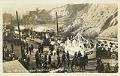
Photograph
Odd Fellows Parade at the Alaska-Yukon-Pacific Exposition, Seattle, September 22, 1909
The Alaska–Yukon–Pacific Exposition (AYPE) was a world's fair held in Seattle in 1909, publicizing the development of the Pacific Northwest. The fairgrounds became the campus of the University of Washington.Otto D. Goetze (b. 1871) was an American photographer who owned the Alaska Photo Studio in Seattle from 1909 to 1912. He also photographed the Alaska Gold Rush from 1891 to…
ID Number:1995.38.37.163
Date:1909
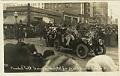
Photograph
President Taft in car heading to the Alaska-Yukon-Pacific Exposition, Seattle, October 1, 1909
The Alaska–Yukon–Pacific Exposition (AYPE) was a world's fair held in Seattle in 1909, publicizing the development of the Pacific Northwest. The fairgrounds became the campus of the University of Washington.Otto D. Goetze (b. 1871) was an American photographer who owned the Alaska Photo Studio in Seattle from 1909 to 1912. He also photographed the Alaska Gold Rush from 1891 to…
ID Number:1995.38.37.171
Date:1909
Photograph
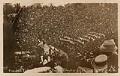
President Taft speaking in the amphitheater at the Alaska-Yukon-Pacific Exposition, Seattle, September 30, 1909
The Alaska–Yukon–Pacific Exposition (AYPE) was a world's fair held in Seattle in 1909, publicizing the development of the Pacific Northwest. The fairgrounds became the campus of the University of Washington.Otto D. Goetze (b. 1871) was an American photographer who owned the Alaska Photo Studio in Seattle from 1909 to 1912. He also photographed the Alaska Gold Rush from 1891 to…
ID Number:1995.38.37.173
Date:1909
Photograph
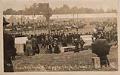
Stock Exhibit at the Alaska-Yukon-Pacific Exposition, Seattle, 1909
The Alaska–Yukon–Pacific Exposition (AYPE) was a world's fair held in Seattle in 1909, publicizing the development of the Pacific Northwest. The fairgrounds became the campus of the University of Washington.Otto D. Goetze (b. 1871) was an American photographer who owned the Alaska Photo Studio in Seattle from 1909 to 1912. He also photographed the Alaska Gold Rush from 1891 to…
ID Number:1995.38.37.200
Date:1909
Photograph
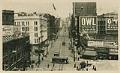
Birds-eye view of Second Avenue looking north, Seattle, 1909
Taken in 1909 during the Alaska-Pacific-Yukon Exposition, this photo of Second Avenue shows a downtown street busy with trolleys, horse-drawn carriages and pedestrians. The Welcome Arch for the AYPE is visible in the distance, at Second Avenue and Marion Street.Otto D. Goetze (b. 1871) was an American photographer who owned the Alaska Photo Studio in Seattle from 1909 to 1912.…
ID Number:1995.38.37.272
Date:1909
Photograph
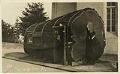
Redwood tree at the Alaska-Yukon-Pacific Exposition, Seattle, 1909
The Alaska–Yukon–Pacific Exposition (AYPE) was a world's fair held in Seattle in 1909, publicizing the development of the Pacific Northwest. The fairgrounds became the campus of the University of Washington.Otto D. Goetze (b. 1871) was an American photographer who owned the Alaska Photo Studio in Seattle from 1909 to 1912. He also photographed the Alaska Gold Rush from 1891 to…
ID Number:1995.38.37.309
Date:1909
Ephemera
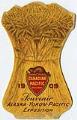
Canadian Pacific brochure for the Alaska-Yukon-Pacific Exposition, 1909
Seattle held its first world’s fair, the Alaska-Yukon-Pacific Exposition (AYPE) in 1909. The fair promoted the region’s growth and prosperity that had begun with the 1897 arrival of the first shipment of Yukon gold. The Canadian Pacific Railway promoted both the railroad and the AYPE with this souvenir shaped like a sheaf of wheat. Inside are images and descriptions of…
ID Number:2006.3.20
Date:1909
Ephemera
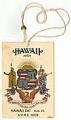
AYPE Hawaii Day ticket, August 25, 1909
The Alaska-Yukon-Pacific Exposition (AYPE) was a world's fair held in Seattle to publicize the development of the Pacific Northwest. The fairgrounds were located on the campus of the University of Washington and were open from June 1, 1909, to October 16, 1909. Several of the buildings and the landscaping survive, continuing to shape the layout of the campus.The ticket or…
ID Number:2006.3.50.2
Date:1909