125 results for: Nowell
Photograph
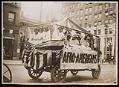
"Afro-Americans" float in Golden Potlatch parade, Seattle, July 1911
The Tilikums of Elttaes were a fraternal, civic organization composed primarily of influential white Seattle area businessmen, who used Native American imagery to promote tourism and the economic development of the city. In July 1911 the Tilikums ("Friends" in Chinook Jargon; Elttaes is Seattle spelled backward) organized the first Golden Potlatch celebration. The Golden Potlatch was a city-wide festival held…
ID Number:2011.79.1.104
Date:1911
Photograph
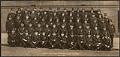
Seattle Police Department Second Patrol, November 11, 1919
Police departments in metropolitan areas often utilize officers to patrol assigned beats throughout the community. At the time the photograph pictured here was taken, the Seattle Police Department had two shifts of patrols, the First Patrol and the Second Patrol. None of the officers of the Second Patrol are identified in this image, however the man wearing the fedora and…
ID Number:2015.62.3
Date:1919
Photograph
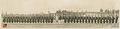
The Shriners Philadelphia LuLu Temple Patrol at the National Convention in Seattle, 1915
Seattle hosted the 41st Annual Imperial Council of the Ancient Arabic Nobles of the Mystic Shrine - or Shriners - convention from July 12-17, 1915. Shriners came from every part of the country on 56 special trains, including three trains that held just the LuLu Temple delegates from Philadelphia. Every hotel was full and "the overflow was lodged in fraternity…
ID Number:2019.3.4
Date:1915
Photograph
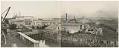
Panorama view of Todd Dry Docks, Inc., Seattle, November 4, 1918
The Seattle Division of Todd Shipyard Corporation originated in 1916, when the William H. Todd Corporation purchased the Seattle Construction and Dry Dock Company (formerly Moran Brothers Shipyard). Originally located on the Seattle waterfront, the shipyard built cargo vessels for the U.S. Shipping Board during World War I. Todd moved the operation to a new plant on Harbor Island in…
ID Number:2023.36.43
Date:1918
![Image of S.S. Fort Harrison and S.S. President [?], Admiral Line, Pacific Steamship Co., at Todd Dry Docks, Seattle, November 1918](https://mohai.rediscoverysoftware.com/thumbnails/00010/2023.36.44-jpg638400752433591339.jpg)
Photograph
S.S. Fort Harrison and S.S. President [?], Admiral Line, Pacific Steamship Co., at Todd Dry Docks, Seattle, November 1918
The Seattle Division of Todd Shipyard Corporation originated in 1916, when the William H. Todd Corporation purchased the Seattle Construction and Dry Dock Company (formerly Moran Brothers Shipyard). Originally located on the Seattle waterfront, the shipyard built cargo vessels for the U.S. Shipping Board during World War I. Todd moved the operation to a new plant on Harbor Island in…
ID Number:2023.36.44
Date:1918
Photograph
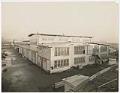
Main Shop Building, Todd Dry Docks, Inc., Seattle, November 1918
The Seattle Division of Todd Shipyard Corporation originated in 1916, when the William H. Todd Corporation purchased the Seattle Construction and Dry Dock Company (formerly Moran Brothers Shipyard). Originally located on the Seattle waterfront, the shipyard built cargo vessels for the U.S. Shipping Board during World War I. Todd moved the operation to a new plant on Harbor Island in…
ID Number:2023.36.45
Date:1918
Photograph
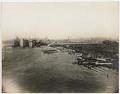
View of ships at Todd Dry Docks, Inc., Seattle, November 1918
The Seattle Division of Todd Shipyard Corporation originated in 1916, when the William H. Todd Corporation purchased the Seattle Construction and Dry Dock Company (formerly Moran Brothers Shipyard). Originally located on the Seattle waterfront, the shipyard built cargo vessels for the U.S. Shipping Board during World War I. Todd moved the operation to a new plant on Harbor Island in…
ID Number:2023.36.46
Date:1918
Photograph
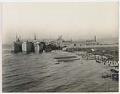
View of ships at Todd Dry Docks, Inc., Seattle, November 1918
The Seattle Division of Todd Shipyard Corporation originated in 1916, when the William H. Todd Corporation purchased the Seattle Construction and Dry Dock Company (formerly Moran Brothers Shipyard). Originally located on the Seattle waterfront, the shipyard built cargo vessels for the U.S. Shipping Board during World War I. Todd moved the operation to a new plant on Harbor Island in…
ID Number:2023.36.47
Date:1918
Photograph
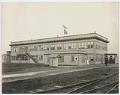
Main gate, administration and other buildings, Todd Dry Docks, Inc., Seattle, November 4, 1918
The Seattle Division of Todd Shipyard Corporation originated in 1916, when the William H. Todd Corporation purchased the Seattle Construction and Dry Dock Company (formerly Moran Brothers Shipyard). Originally located on the Seattle waterfront, the shipyard built cargo vessels for the U.S. Shipping Board during World War I. Todd moved the operation to a new plant on Harbor Island in…
ID Number:2023.36.48
Date:1918
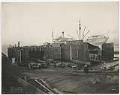
Photograph
Cargo Steamship in drydock, Todd Dry Docks, Inc., Seattle, November 1918
The Seattle Division of Todd Shipyard Corporation originated in 1916, when the William H. Todd Corporation purchased the Seattle Construction and Dry Dock Company (formerly Moran Brothers Shipyard). Originally located on the Seattle waterfront, the shipyard built cargo vessels for the U.S. Shipping Board during World War I. Todd moved the operation to a new plant on Harbor Island in…
ID Number:2023.36.49
Date:1918