12 results for: McCurdy, James G., 1872-1942
Photograph
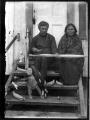
Young Doctor and his wife Lizzie, Neah Bay, circa 1900
The Makah people of the northwest tip of the Olympic Peninsula refer to themselves as Kwih-dich-chuh-ahtx, which translates roughly to "the people who live by the rocks and seagulls." The early Makah were skilled mariners, using several types of canoes which they carved from western red cedar for various purposes - war, whaling, fishing, sealing, carrying cargo, and long voyages.…
ID Number:1955.970.470.1
Date:Circa 1900
Photograph
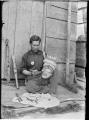
Atlieu, Nuu-cha-nulth carver, Neah Bay, circa 1900
The Nuu-chah-nulth are a group of 14 First Nations peoples living on the west side of Vancouver Island: Ditidaht, Huu-ay-aht, Hupacasath, Tse-shaht, Uchucklesaht, Ahousaht, Hesquiaht, Tla-o-qui-aht, Toquaht, Ucluelet, Ehattesaht, Kyuqout/Checlesaht, Mowachat/Muchalaht, and Nuchatlaht. They share cultural traditions and language but remain distinct nations, each with a hereditary chief. The Nuu-chah-nulth peoples were previously called the Nootka after European colonizers misunderstood…
ID Number:1955.970.470.2
Date:Circa 1900
Photograph
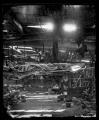
Interior of a longhouse, Neah Bay, circa 1900
The Makah people of the northwest tip of the Olympic Peninsula refer to themselves as Kwih-dich-chuh-ahtx, which translates roughly to "the people who live by the rocks and seagulls." The early Makah were skilled mariners, using several types of canoes which they carved from western red cedar for various purposes - war, whaling, fishing, sealing, carrying cargo, and long voyages.…
ID Number:1955.970.470.10
Date:Circa 1900
Photograph
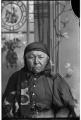
Quedessa, Makah woman, circa 1900
The Makah people of the northwest tip of the Olympic Peninsula refer to themselves as Kwih-dich-chuh-ahtx, which translates roughly to "the people who live by the rocks and seagulls." The early Makah were skilled mariners, using several types of canoes which they carved from western red cedar for various purposes - war, whaling, fishing, sealing, carrying cargo, and long voyages.…
ID Number:1955.970.470.13
Date:Circa 1900
Photograph
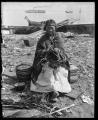
Makah woman making baskets at Neah Bay, circa 1905
The Makah people of the northwest tip of the Olympic Peninsula refer to themselves as Kwih-dich-chuh-ahtx, which translates roughly to "the people who live by the rocks and seagulls." The early Makah were skilled mariners, using several types of canoes which they carved from western red cedar for various purposes - war, whaling, fishing, sealing, carrying cargo, and long voyages.…
ID Number:1955.970.470.14
Date:Circa 1905
Photograph
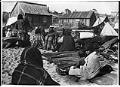
Group seated on the beach with trade items, Port Townsend, circa 1900
The people in this photograph are not identified, but the items they brought with them in their large sea-going canoes are visible-- bundles of dried cattails for weaving mats and a large, decorated Chinese trunk. The woman in the center appears to be holding a mirror. The buildings in the distant background indicate the location is probably Port Townsend, Washington.…
ID Number:1955.970.470.22
Date:Circa 1900
Photograph
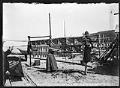
Makah woman drying fish on a rack, Neah Bay, circa 1900
The Makah people of the northwest tip of the Olympic Peninsula refer to themselves as Kwih-dich-chuh-ahtx, which translates roughly to "the people who live by the rocks and seagulls." The early Makah were skilled mariners, using several types of canoes which they carved from western red cedar for various purposes - war, whaling, fishing, sealing, carrying cargo, and long voyages.…
ID Number:1955.970.470.23
Date:Circa 1900
Photograph
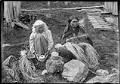
Two Makah basketmakers, Neah Bay, circa 1900
The Makah people of the northwest tip of the Olympic Peninsula refer to themselves as Kwih-dich-chuh-ahtx, which translates roughly to "the people who live by the rocks and seagulls." The early Makah were skilled mariners, using several types of canoes which they carved from western red cedar for various purposes - war, whaling, fishing, sealing, carrying cargo, and long voyages.…
ID Number:1955.970.470.25
Date:Circa 1900
Photograph
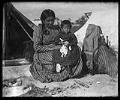
Makah woman and child with puppy, Port Townsend, circa 1900
The Makah people of the northwest tip of the Olympic Peninsula refer to themselves as Kwih-dich-chuh-ahtx, which translates roughly to "the people who live by the rocks and seagulls." The early Makah were skilled mariners, using several types of canoes which they carved from western red cedar for various purposes - war, whaling, fishing, sealing, carrying cargo, and long voyages.…
ID Number:1955.970.470.26
Date:Circa 1900
Photograph
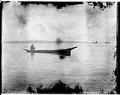
Coast Salish canoe in Port Townsend Bay, circa 1900
The Coast Salish style canoe was designed for use in the calm waters of Puget Sound and its many small bays and inlets. Both the prow and the stern curve upwards from a rounded bottom. Salish canoes were often painted black with brightly colored figures near the prow and stern. The Coast Salish style of canoe was more lightly constructed…
ID Number:1955.970.470.512
Date:Circa 1900