14 results for: Temperance and Prohibition
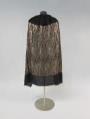
Silver lamé and black chiffon cape, 1926
This 1920s evening cape has metallic threads to catch the light.
ID Number:1949.502.C514
Date:1926
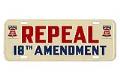
Metal sign, "Repeal 18th Amendment," ca. 1933
The 18th Amendment to the United States Constitution, ratified in 1919, established the prohibition of alcohol in the US. Not surprisingly, there was much public dissent regarding the prohibition of alcohol and calls for repeal increased by the late 1920s. This ultimately resulted in the ratification of the 21st Amendment to the US Constitution which repealed the 18th Amendment, and…
ID Number:1951.427.3
Date:Circa 1933
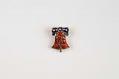
WONPR pin (Women's Organization for National Prohibition Reform), ca. 1930
The Women's Organization for National Prohibition Reform was founded in 1929 by New Yorker Pauline Sabin. The movement for alcohol prohibition has been led largely by women, particularly the Women’s Christian Temperance Union. But when the 18th Amendment was enacted, many harms and problems became evident. Sabin started the organization to counteract the narrative that all women supported prohibition and…
ID Number:1955.982.b
Date:Circa 1930

Set of four temperance pennants, "The Liquor Traffic Must Go," ca. 1910
“The Liquor Traffic Must Go” was a slogan used by the Women’s Christian Temperance Union, a strong political force which advocated for national, constitutional prohibition of alcohol.
ID Number:1956.1144.c
Date:Circa 1910

Button, "Vote 61 Repeal the Dry Law," ca. 1930
Washington State Initiative Measure No. 61 aimed to repeal all Washington's liquor laws except the prohibition of sale to minors. It was filed in Olympia in January of 1932, and was part of a National movement to repeal the Volstead Act and the 18th Amendment. Voters passed the initiative in November 1932 by a wide margin (62 percent) which was…
ID Number:1966.3858.9
Date:Circa 1930
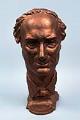
Plaster bust of Reverend Mark A. Matthews, D.D., made ca. 1960s
Reverend Mark Matthews was pastor of First Presbyterian Church at 7th and Spring in the early 1900s. The reverend, who was in favor of Prohibition, led a congregation that became the largest Presbyterian group in the United States.
ID Number:1968.4333.1
Date:Circa 1960
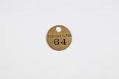
Hat check tag from Doc Hamilton’s resataurant, ca. 1926-1932
John Henry "Doc" Hamilton (1891-1942) moved from Mississippi to Seattle around 1914 at the age of 23. He served in WWI in the 92nd infantry division in France and returned to Seattle after the war ended. When the Prohibition Act took effect in 1920, Hamilton opened his first speakeasy in his home on E. Union Street. Seattle police shut it…
ID Number:1968.4523.2
Date:Circa 1926-1932
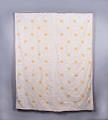
Coverlet or quilt, 1927
This quilt was made for a Women's Christian Temperance Union raffle in Green Lake where individuals paid to have their names stitched onto the quilt. The WCTU was a religious organization whose primary purpose was to combat the influence of alcohol on families and society.
ID Number:1994.Coverlet
Date:1927
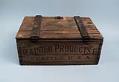
Rainier Brewery crate from Prohibition era, ca. 1920-1927
During Prohibition, Rainier Brewery produced beverages under the name "Rainier Products", generally referred to as "near beer," which included birch and root beer, ginger ale, and cider.
ID Number:1997.45.1
Date:Circa 1920-1927
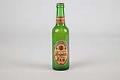
Beer bottle "Rainier Old Stock Ale Beer," ca. 1934
In 1915, the Seattle Brewing & Malting Company built a new plant in San Francisco, California, in hopes of skirting the Washington State prohibition due to take effect in 1916. The plant operated as the Rainier Brewing Company but had to switch to distributing soft drinks and near beer when the nation-wide Prohibition was voted in. In 1933, when Prohibition…
ID Number:1999.64.40
Date:Circa 1934