47 results for: Neighborhoods
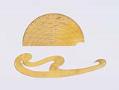
Surveying stencil tool used by James Casey Embree, ca. 1903-1939
James Casey Embree (1881-1940) was an early Seattle civil engineer. He was responsible for surveying various Seattle neighborhoods and, from 1906-1924, he worked on the Alaskan Engineering Commission that would provide railroads to parts of Alaska following the Gold Rush of 1897.
ID Number:2018.54.3
Date:1877
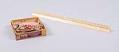
Measuring tape used by James Casey Embree, ca. 1903-1939
James Casey Embree (1881-1940) was an early Seattle civil engineer. He was responsible for surveying various Seattle neighborhoods and, from 1906-1924, he worked on the Alaskan Engineering Commission that would provide railroads to parts of Alaska following the Gold Rush of 1897.
ID Number:2018.54.4
Date:Circa 1920-1939
Triangular ruler used by James Casey Embree, ca. 1903-1939
James Casey Embree (1881-1940) was an early Seattle civil engineer. He was responsible for surveying various Seattle neighborhoods and, from 1906-1924, he worked on the Alaskan Engineering Commission that would provide railroads to parts of Alaska following the Gold Rush of 1897.
ID Number:2018.54.5
Date:Circa 1920-1939
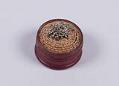
Straight pins in holder used by James Casey Embree, ca. 1903-1939
James Casey Embree (1881-1940) was an early Seattle civil engineer. He was responsible for surveying various Seattle neighborhoods and, from 1906-1924, he worked on the Alaskan Engineering Commission that would provide railroads to parts of Alaska following the Gold Rush of 1897.
ID Number:2018.54.6
Date:Circa 1920-1939
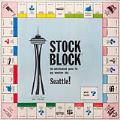
Board game, "Stock Block Seattle!" (c) 1976
Seattle inventor, John F. Majors, designed and distributed this game through J.F.M. Game Company. He also created similar game boards for may other cities in the US, Canada, and beyond. The idea of the game is to purchase, trade and sell stock certificates and shares of local landmark buildings with the goal of liquidating your competitors on the market. This…
ID Number:2019.29.1
Date:1976
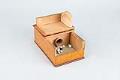
Voting box from a Lithuanian community in Seattle, ca. 1900-1940s
This marble voting box was used by a Lithuanian-American community in Seattle. It allowed people to vote anonymously, even if they were illiterate, and, according to the donor, demonstrates how immigrant communities valued democratic principles and the ability to vote. The donor's father immigrated from Lithuania to the US during WWII and eventually moved to Seattle in 1961 to work…
ID Number:2023.34.1
Date:Circa 1900-1940
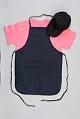
Store clerk's uniform for Borracchini's Bakery, ca. 2020s
Mario Borracchini, an Italian immigrant from Tuscany, started his Italian bakery in 1923 in the basement of his home at the south end of Seattle. He soon opened a brick and mortar store and his son Remo took over the business. It was the go-to place to order cakes for birthdays, weddings, or any other celebratory event. In an August…
ID Number:2023.43.RefUniform
Date:Circa 2020