37 results for: "1973.5711"
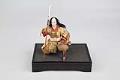
Samurai doll from Boys’ Day, ca. 1930-1940
Boy’s Day (Tango no Sekku) is traditionally celebrated with the display of samurai armor or samurai dolls, and with carp streamers (koinobori). In 1942, the majority of the student body of the Bailey Gatzert Elementary School was of Japanese descent and all of these children were incarcerated during WWII. Because they were only able to take a few belongings with…
ID Number:1973.5711.17
Date:1930-1940
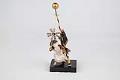
Boy with carp streamer from Boys’ Day, ca. 1930-1940
Boy’s Day (Tango no Sekku) is traditionally celebrated with the display of samurai armor or samurai dolls, and with carp streamers (koinobori). This doll shows a boy hoisting a koinobori.In 1942, the majority of the student body of the Bailey Gatzert Elementary School was of Japanese descent and all of these children were incarcerated during WWII. Because they were only…
ID Number:1973.5711.18
Date:1930-1940
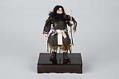
Samurai doll, possibly Kato Kiyomasa, from Boys’ Day, ca. 1930-1940
Boy’s Day (Tango no Sekku) is traditionally celebrated with the display of samurai armor or samurai dolls, and with carp streamers (koinobori). This samurai is possibly Kato Kiyomasa. In 1942, the majority of the student body of the Bailey Gatzert Elementary School was of Japanese descent and all of these children were incarcerated during WWII. Because they were only able…
ID Number:1973.5711.20
Date:1930-1940
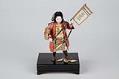
Samurai doll, likely Momotaro, from Boys’ Day, ca. 1930-1940
Boy’s Day (Tango no Sekku) is traditionally celebrated with the display of samurai armor or samurai dolls, and with carp streamers (koinobori). This figure is likely Momotaro, a character who was born from a peach as a gift from the gods to a childless woman.In 1942, the majority of the student body of the Bailey Gatzert Elementary School was of…
ID Number:1973.5711.21
Date:1930-1940
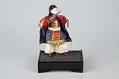
Samurai doll, possibly Minamoto no Yoshitsune, from Boys’ Day, ca. 1930-1940
Boy’s Day (Tango no Sekku) is traditionally celebrated with the display of samurai armor or samurai dolls, and with carp streamers (koinobori). This figure is possibly Minamoto no Yoshitsune. In 1942, the majority of the student body of the Bailey Gatzert Elementary School was of Japanese descent and all of these children were incarcerated during WWII. Because they were only…
ID Number:1973.5711.22
Date:1930-1940
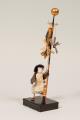
Boy with carp streamer from Boys’ Day, ca. 1930-1940
Boy’s Day (Tango no Sekku) is traditionally celebrated with the display of samurai armor or samurai dolls, and with carp streamers (koinobori). This doll shows a boy hoisting a koinobori.In 1942, the majority of the student body of the Bailey Gatzert Elementary School was of Japanese descent and all of these children were incarcerated during WWII. Because they were only…
ID Number:1973.5711.24
Date:1930-1940
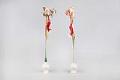
Irises with carp streamers from Boys’ Day, ca. 1930-1940
Boy’s Day (Tango no Sekku) is traditionally celebrated with the display of samurai armor or samurai dolls, and with carp streamers (koinobori). Irises are also often displayed because the word for iris (shobu) is a pun with a term for being a good warrior. In 1942, the majority of the student body of the Bailey Gatzert Elementary School was of…
ID Number:1973.5711.25
Date:1930-1940
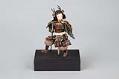
Samurai doll, possibly Sanada Nobushige, from Boys’ Day, ca. 1930-1940
Boy’s Day (Tango no Sekku) is traditionally celebrated with the display of samurai armor or samurai dolls, and with carp streamers (koinobori). This doll may be representing the samurai Sanada Nobushige (also called Sanada Yukimura). In 1942, the majority of the student body of the Bailey Gatzert Elementary School was of Japanese descent and all of these children were incarcerated…
ID Number:1973.5711.27
Date:1930-1940
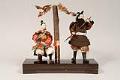
Two dolls from Boys’ Day, ca. 1930-1940
Boy’s Day (Tango no Sekku) is traditionally celebrated with the display of samurai armor or samurai dolls, and with carp streamers (koinobori). This pairing of a samurai doll (left) and a mythological figure (right) is uncommon, and so this pair may have been incorrectly put together as a set. In 1942, the majority of the student body of the Bailey…
ID Number:1973.5711.30
Date:1930-1940
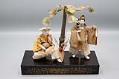
Two court dolls from a Girls’ Day set, ca. 1930-1940
Girls’ Day (Hinamatsuri) is traditionally celebrated with a display of decorative dolls representing the Imperial Court. The dolls and accessories are arranged on a series of platforms, draped in red cloth. These figures may be Ebisu and Daikokuten among the Seven Lucky Gods. In 1942, the majority of the student body of the Bailey Gatzert Elementary School was of Japanese…
ID Number:1973.5711.31
Date:1930-1940