125 results for: Puget Sound
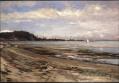
Oil painting of Puget Sound near Port Townsend by Harriet Foster Beecher, September 17, 1888
Born in Indiana, Harriet Foster Beecher (1853-1918) traveled to the West Coast to attend the San Francisco School of Design. She moved to Seattle in 1880 and married Captain Herbert Foote Beecher. In 1881, Beecher opened what is thought to be Seattle’s first art studio. She painted Indigenous life in oils and watercolors, portraits of Seattle pioneers, and landscapes. Beecher…
ID Number:1953.303.1
Date:1888
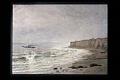
Oil painting of cliffs and steamer by Harriet Foster Beecher, 1882
Born in Indiana, Harriet Foster Beecher (1853-1918) traveled to the West Coast to attend the San Francisco School of Design. She moved to Seattle in 1880 and married Captain Herbert Foote Beecher. In 1881, Beecher opened what is thought to be Seattle’s first art studio. She painted Indigenous life in oils and watercolors, portraits of Seattle pioneers, and landscapes. Beecher…
ID Number:1953.303.4
Date:1882
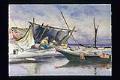
Watercolor painting of Indigenous woman in a shelter on the beach, ca. 1870-1915
Born in Indiana, Harriet Foster Beecher (1853-1918) traveled to the West Coast to attend the San Francisco School of Design. She moved to Seattle in 1880 and married Captain Herbert Foote Beecher. In 1881, Beecher opened what is thought to be Seattle’s first art studio. She painted Indigenous life in oils and watercolors, portraits of Seattle pioneers, and landscapes. Beecher…
ID Number:1953.303.9
Date:Circa 1870-1915
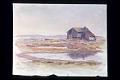
Watercolor painting of a house near tide pools, 1894
The artist of this watercolor, Mary Hadley Foster Fletcher (1834-1922), was the mother of artist Harriet Foster Beecher and lived with her daughter and family in Port Townsend. Beecher was a talented and prolific artist, and Mary may have been inspired by her daughter to paint as well. MOHAI has a sigificant collection of Harriet Beecher's works.
ID Number:1953.303.12
Date:1894
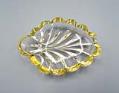
Glass butter dish, ca. 1850
This dish was brought across the plains in a covered wagon by the Boren and Denny families, early white settlers in Puget Sound.
ID Number:1953.368
Date:Circa 1850
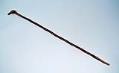
Cane made by Haida tribe, ca. 1880
This cane was carved by a member of the Haida tribe and given to Puget Sound settler, Dr. J. C. Gosnell as a "Friendship Cane."
ID Number:1953.653
Date:Circa 1880
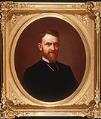
Portrait of David T. Denny by Edwin Isaac Ames, 1894
David T. Denny (1832-1903) was the first of the Denny party to set foot on the shores of Puget Sound. He served in the organized militia, as a regent of the University of Washington, King County Treasurer, Probate Judge, Seattle School Board member and Seattle City Councilman. A respected businessman, Denny developed and consolidated the Seattle streetcar system. Artist Edwin…
ID Number:1954.541.a
Date:1894
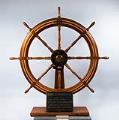
Ship's wheel, SS Milwaukee, 1913
The SS Milwaukee, built by Seattle Construction and Dry Dock in 1913, was the last steam tug on Puget Sound. It was used by the Milwaukee Terminus Railway Company to tranship freight from rail to deep sea steamships.
ID Number:1954.559
Date:1913
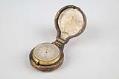
Altimeter and barometer used by David Denny, ca. 1850
David T. Denny (1832-1903) was the first of the Denny party to set foot on the shores of Puget Sound. His brother Arthur Denny (1822-1899) was considered to be the leader of the “Denny Party” which travelled west from Illinois to the Pacific Northwest. When the group arrived in Portland, Oregon, David and John Low continued north to scout locations…
ID Number:1955.901.a
Date:Circa 1850
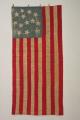
Battle of Seattle "Petticoat Flag," 1856
On the morning of January 26, 1856, the "Battle of Seattle" began when Native Americans raided the white settlement in what is now known as Seattle. Previously warned of the attack, most settlers had barricaded themselves in a blockhouse. Settlers say the women who sought shelter in the blockhouse used strips from their petticoats to sew this flag during the…
ID Number:1955.921.1
Date:1856