• Denny Lecture: Makah Voices & the Sea with Dr. Joshua Reid

    Denny Lecture Events
    MOHAI MOHAI - 860 Terry Ave N, Seattle, WA, United States

    MOHAI's annual Denny Lecture presents the very best in regional historical scholarship. This year, Dr. Joshua Reid discusses the historical context around modern Makah whaling and articulates a traditional future for their people. A member of the Snohomish Indian Nation, Dr. Reid is associate professor of History and American Indian Studies at the University of Washington and author of The Sea is My Country: The Maritime World of the Makahs (Yale University Press), recipient of four major book awards.
  • History Café: Remembering Princess Angeline

    History Café Events
    Faye G. Allen Grand Atrium MOHAI 860 Terry Ave N, Seattle, WA, United States

    Chief Seattle's daughter Kikisoblu (c. 1820 – 1896), also known as Princess Angeline, was a frequent subject of photographs, including the now iconic image taken by Edward Curtis. This program seeks to understand the legacy of Kikisoblu, putting images of her in conversation with historic and personal stories of her life. Curtis's photograph of Kikisoblu will be on display during the program, along with rarely seen material from MOHAI's collections.

  • SS Virginia V Cruise: Salish Waterlines

    S.S. Virginia V MOHAI 860 Terry Ave N, Seattle, WA, United States

    Explore the Native history of Seattle's waterways with Muckleshoot Tribe Historian Warren King George, aboard the SS VIRGINIA V. Learn about Coast Salish peoples' traditional and current uses of Lake Union's abundant natural resources and the ecosystem's resiliency in the face of urban growth.

  • Not Your Princess

    Faye G. Allen Grand Atrium MOHAI 860 Terry Ave N, Seattle, WA, United States

    Romanticized images of Kikisoblu (Princess Angeline), taken by Edward Curtis and others, were part of a much broader stereotypical trope that continues to impact present-day representations of indigenous women. Meet contemporary artists and scholars who resist these colonial narratives, shattering stereotypes and celebrating Native American culture.

  • History Café: Legacy of Exclusion in the Northwest

    History Café Events
    MOHAI MOHAI - 860 Terry Ave N, Seattle, WA, United States

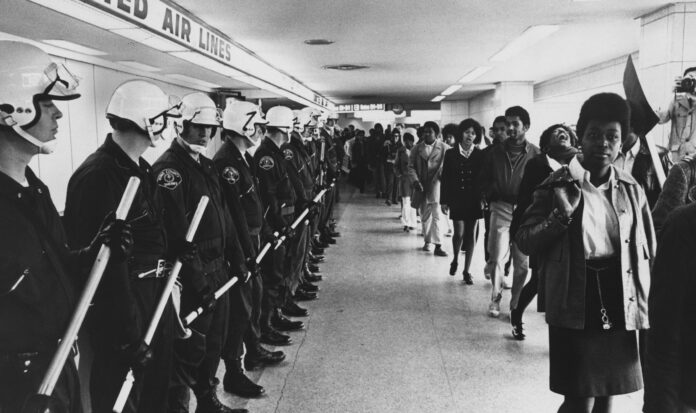
    Despite its progressive reputation, the Northwest has a long history of discrimination and inequity. Join historian, writer, and educator David J. Jepsen as he wrestles with this legacy in his book Contested Boundaries: A New Pacific Northwest History.

  • Artist Talk with Preston Singletary

    Online

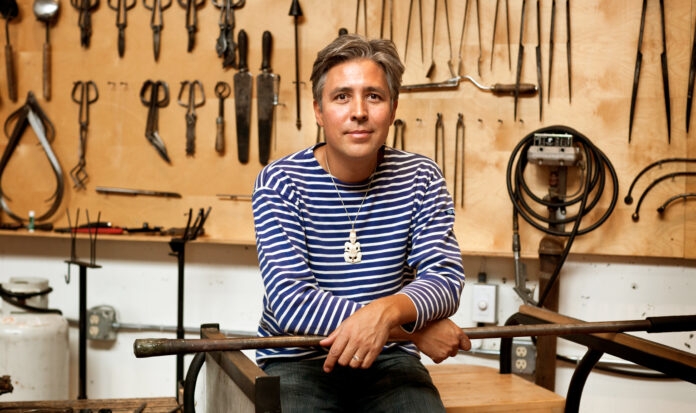
    MOHAI is honored to welcome internationally renowned glass artist Preston Singletary (American Tlingit, born 1963) to discuss his artistic vision and work. Singletary stands apart in the glass art world, combining demanding European glass blowing with new technique and design inspired by southeast Alaska Tlingit culture.

  • 2022 Denny Lecture: Seven Generations of Duwamish History with BJ Cummings

    Denny Lecture Events
    Faye G. Allen Grand Atrium MOHAI 860 Terry Ave N, Seattle, WA, United States

    How have Seattle area land and waters been shaped by humans? Often telling this history relies on documentation from European and American settlers, minimizing and mythologizing the contributions of indigenous peoples. Building on research for her book The River That Made Seattle: A Human and Natural History of the Duwamish, author BJ Cummings uses new primary sources to shed light on seven generations of Native family histories long obscured by colonial narratives.

  • History Café: Exploring Indigenous Food Sovereignty with Dr. Charlotte Coté

    History Café Events
    Online

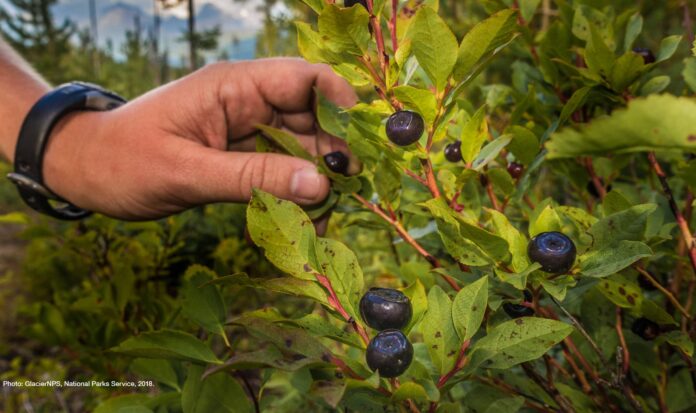
    From salmon to shellfish to trailing blackberry, the Pacific Northwest coast is rich in local food sources that Indigenous communities have cultivated for millennia. With the violent arrival of colonizers to the region, access and management of these native food resources has been disrupted. Indigenous communities face some of the highest rates of food insecurity in the US and Canada, but activists such as Dr. Charlotte Coté (Tseshaht/Nuu-chah-nulth) argue that this inequity can't be solved simply by shipping more processed foods to grocery store shelves.