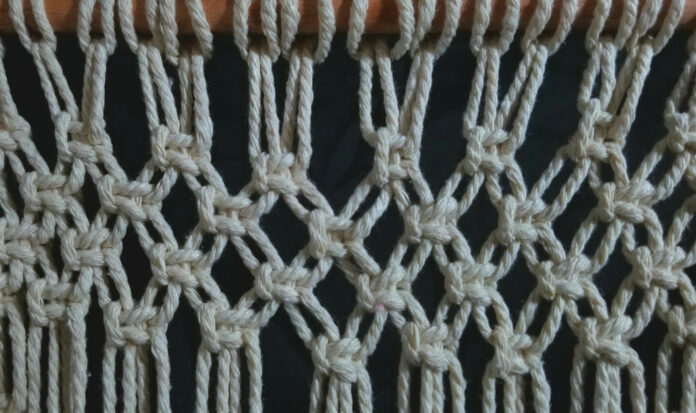
Maker Day: Making Macramé
MOHAI MOHAI - 860 Terry Ave N, Seattle, WA, United StatesLearn how to make macramé knots and create keychains, jewelry, and more with Maxx Follis-Goodkind of Push/Pull.
Learn how to make macramé knots and create keychains, jewelry, and more with Maxx Follis-Goodkind of Push/Pull.
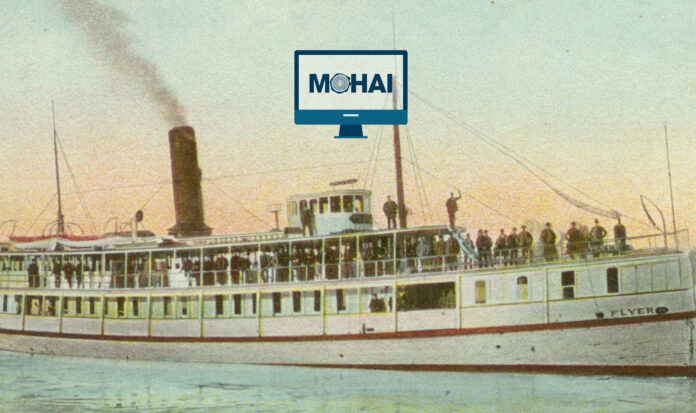
From canoes, to the mosquito fleet, to our modern day ferry system, boats have long been a principal means of travel around Puget Sound. In this talk, based on research from his next book on human and natural history in Puget Sound, David B. Williams will highlight how people have spent the last 13,000 years boating this extraordinary waterway.
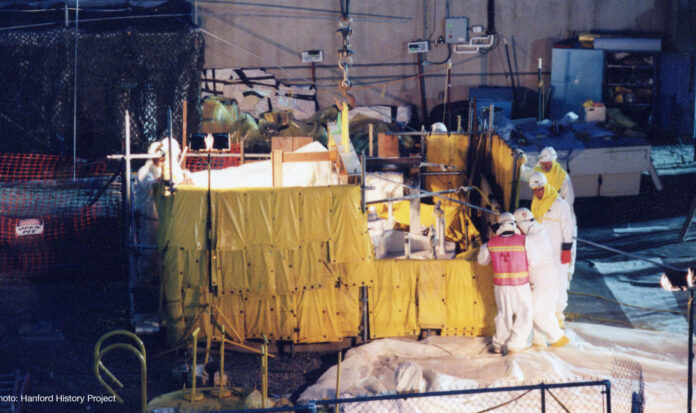
During World War II and throughout the Cold War, the Hanford Works in Eastern Washington produced plutonium for atomic weapons. The use of these weapons led to enormous loss of life in Japan, an arms race, and unprecedented levels of contamination of the landscape at home. Even today, the massive scale of the Hanford Site often overshadows the stories of the people who built it, worked there, and are cleaning it up. Join Steve Olson, author of The Apocalypse Factory: Plutonium and the Making of the Atomic Age, and Michael Mays, director of the Hanford History Project, for a discussion of the stories of scientists, farmers, engineers, laborers, and bureaucrats they have uncovered.
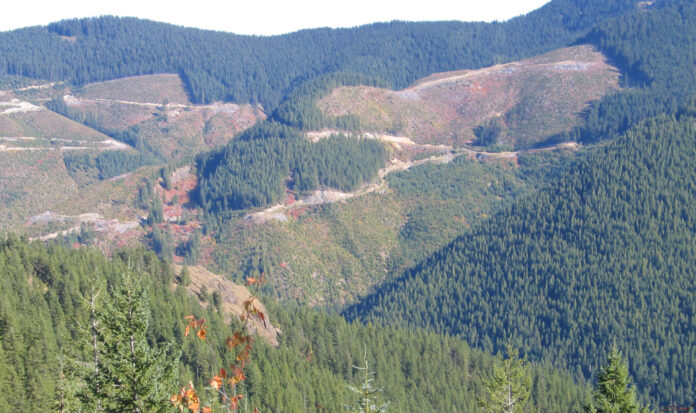
How did Northwest land end up in a checkerboard of land use? Grants to the Northern Pacific Railroad in the 19th century set up a pattern of public and private lands that placed homesteads, towns, tree farms, and federal forest reserves intermingled with each other, all defined by railroad tracks. Join Charlie Raines, Director of the Sierra Club Cascade Checkerboard Project, as he shares newly created maps that show the pattern from Puget Sound to the Columbia River as it evolved over 150 years.
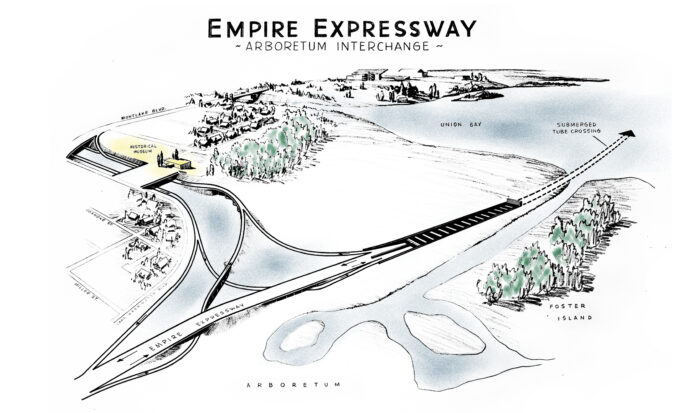
What would you put in your dream city? Work with friends and family to assemble the elements of a real city in a game created just for this day by designer Anna Armstrong. Put your decisions to the test with urban planners and architects who work with the City of Seattle.
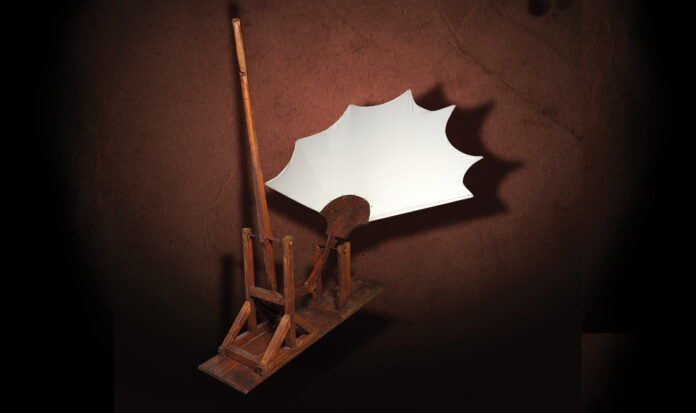
Leonardo da Vinci remains history's universal genius. His achievements in art, engineering, mathematics, anatomy, geology, physics, music, military technology, aeronautics, and many other fields, not only stood without peer in his own time, but were strikingly prescient for the distant future. He was a Renaissance visionary who saw the modern world before it was realized.
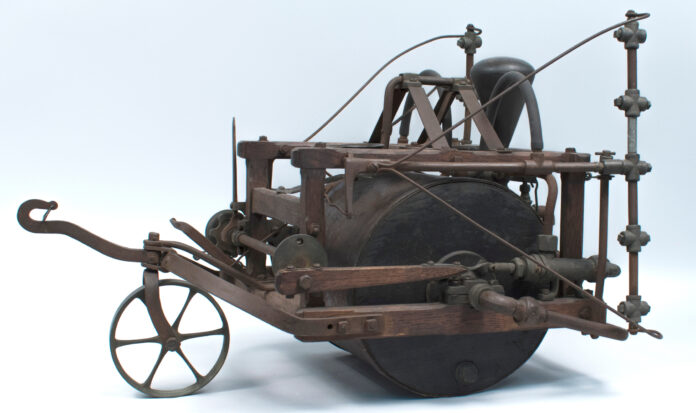
Join MOHAI Executive Director Leonard Garfield for a close look at some of the most transformative innovations that have emerged from the Northwest. Explore the intersections of technology, nature, and civic life as reflected in the region's most significant inventions.
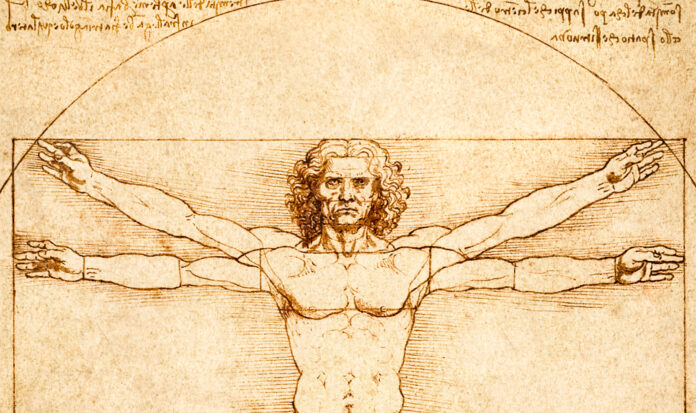
Leonardo's vision of a world in which nature and human experience are closely aligned provides both inspiration and a challenge to modern society. Join leading scholars and innovators as they debate the value of Leonardo's vision for a humanistic society and explore how it impacts our world today.
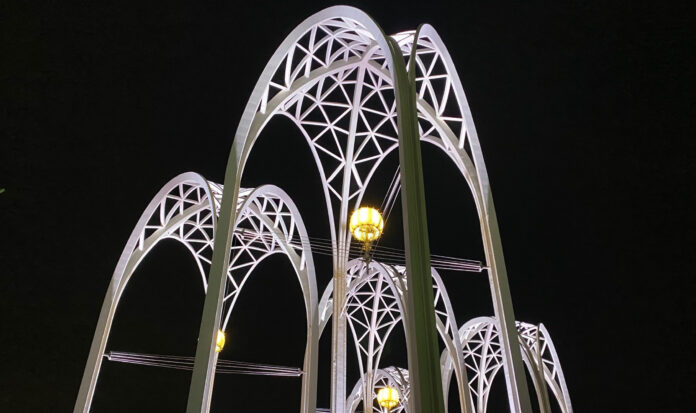
World-famous architect Minoru Yamasaki (1912–1986) is known in Seattle for designing three iconic buildings: the Pacific Science Center, the IBM Building, and the Rainier Tower. But there is much more to his complex and consequential relationship with the city of his birth. Professor Paul Kidder will explore Yamasaki's University of Washington training, his influence on local architectural styles, his battle with preservationists, and the relationship between his Seattle buildings and his New York World Trade Center design.
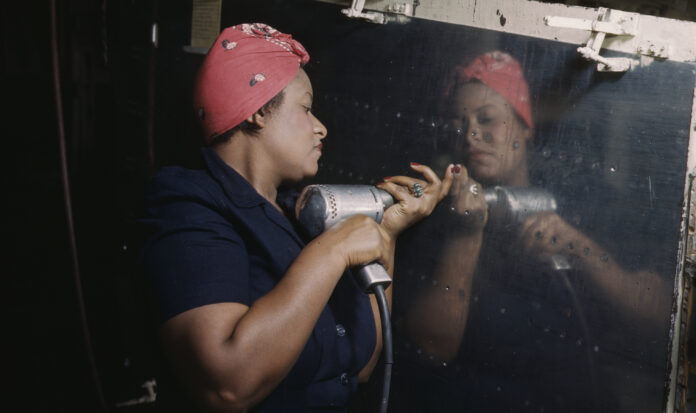
Experience a new historical multimedia program featuring the little-known stories and contributions of working women in the World War II aeronautics industry, amplifying the experiences of Black women through the Rosie the Riveters who built planes in Boeing's factories, the Women Airforce Service Pilots (WASPs), the Tuskegee Airmen, and the Double Victory campaign.
Experience a new historical multimedia program featuring the little-known stories and contributions of working women in the World War II aeronautics industry, amplifying the experiences of Black women through the Rosie the Riveters who built planes in Boeing's factories, the Women Airforce Service Pilots (WASPs), the Tuskegee Airmen, and the Double Victory campaign.
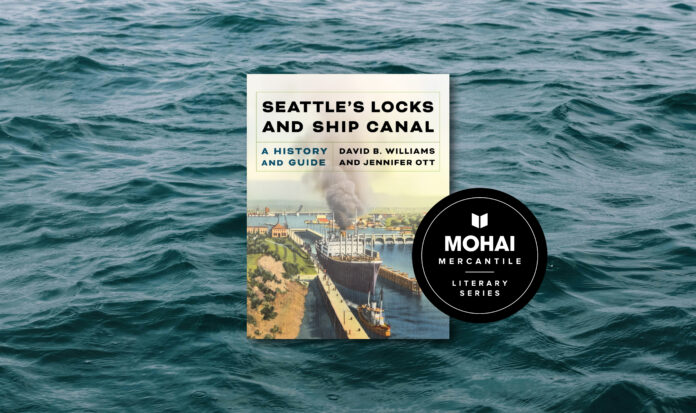
Join MOHAI Mercantile for the official book launch event for Seattle's Locks and Ship Canal with local historians David B. Williams and Jennifer Ott!