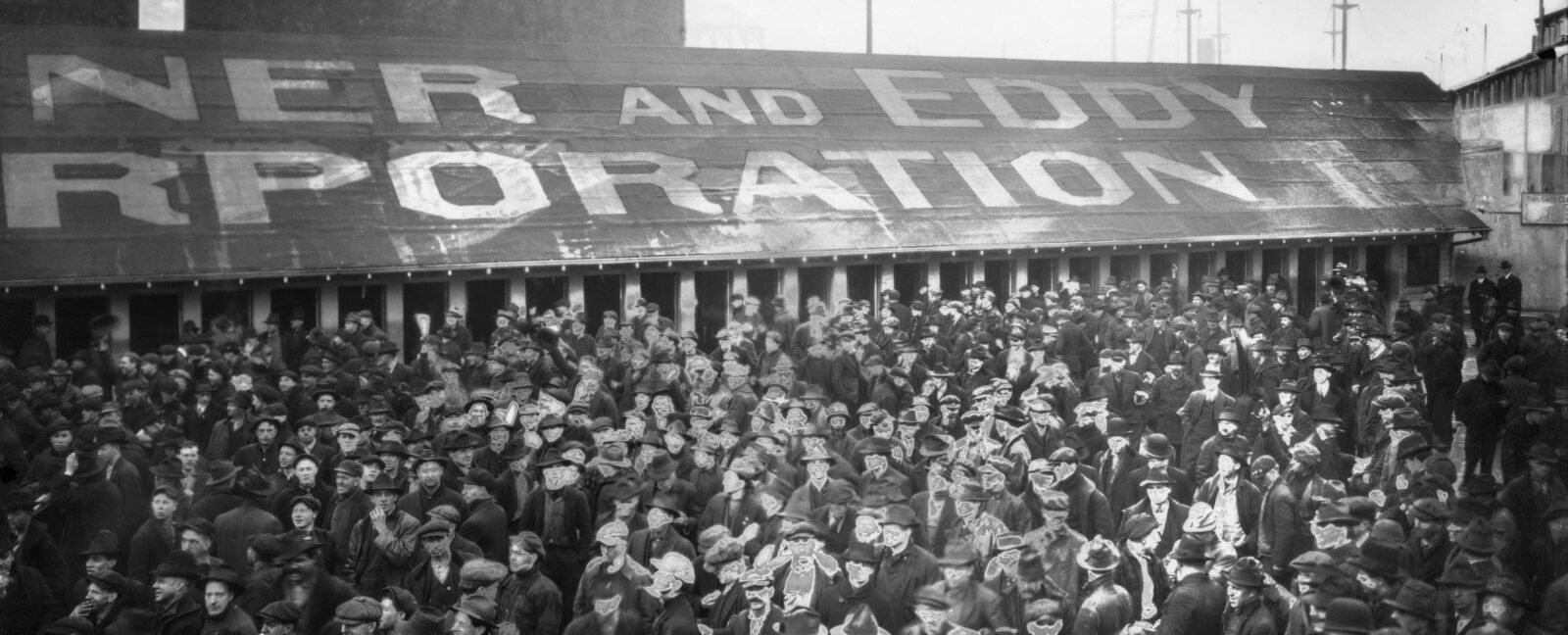
Seattle’s central waterfront has long exemplified the ideological tensions and organizational complexities of American labor history as well as the stunning successes of worker solidarity. During the early 20th century, the Industrial Workers of the World (IWW) significantly influenced local unions, promoting “One Big Union” and dual membership in both the IWW and the International Longshoremen’s Association and other waterfront unions. Despite government suppression from 1916 to 1919, which dismantled much of the IWW’s leadership, syndicalist principles persisted, reemerging during 1930s labor mobilizations. However, Seattle’s unions were not monolithic. Longshoremen cultivated a tradition of independent craft unionism, resisting alignment with political parties while paradoxically integrating some Communist Party members into leadership roles. Their unions prioritized rank-and-file democracy, welcoming radicals without submitting to external party control. Conversely, sailors’ unions often expelled leftist members, reflecting divergent organizational cultures.
These divisions, as noted by Conor Casey head of the Labor Archives of Washington, stemmed from ideological and strategic disagreements over union autonomy, political engagement, and radicalism’s role in labor struggles. The waterfront’s history thus serves as a lens to examine the resilience of syndicalist and other radical ideals, the successes of worker solidarity and occupational wisdom, and the persistent fractures that sometimes hindered broader efforts at unified class solidarity, leaving a legacy of contested radicalism in Pacific Northwest labor movements.