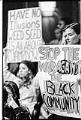
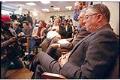
In 1969, Black construction workers and activists began to protest racially exclusionary hiring practices in Seattle, using direct action protests to shut down construction of several major work sites, and launching a successful lawsuit against five prominent unions in Seattle, requiring them to open membership to Black workers and to create a special apprenticeship program. Initiated and led by local electrician Tyree Scott (1940-2005), the movement resulted in the formation of the Central Contractors Association (CCA) in 1969, and the United Construction Workers Association (UCWA) in 1970.
In spite of the significant progress made in the 1970s, by the early 1990s Black-owned contracting businesses were struggling. Between 1990 and 1991, state construction work for Black-owned companies declined by half, a steeper drop than for white-owned companies. Banks refused loans and surety companies wouldn’t sell bonds, so contractors had a hard time managing debt. Black contractors were also getting a much smaller share of Federal contracts after Congress passed a law in 1989 putting women and all ethnic minorities into one "disadvantaged" category in competition for projects.
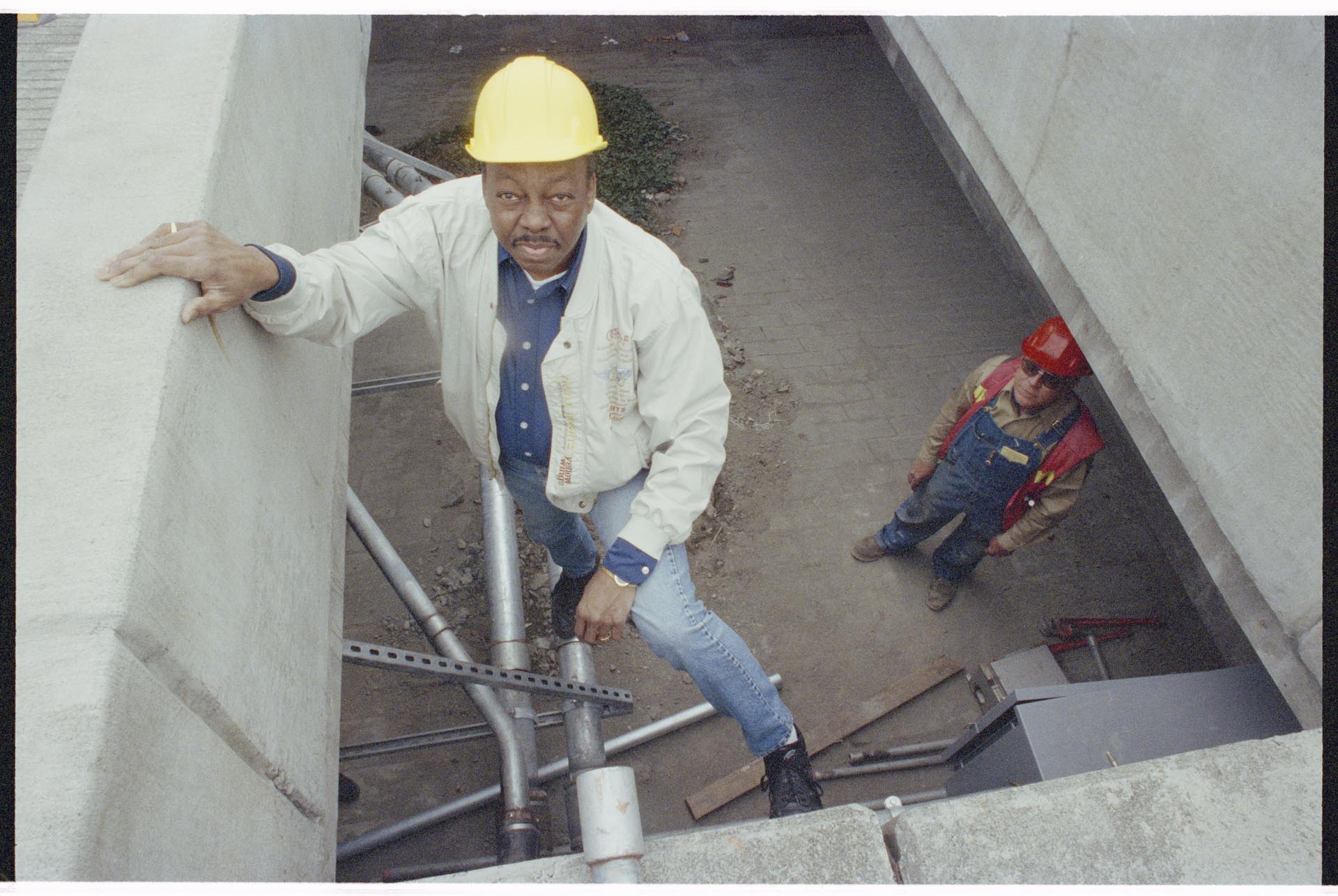
Here, Tacoma electrical contractor Art Pearson, left, and his foreman, Enas Epperson, work on an Interstate 5 project. Pearson noted that the demise of Black entrepreneurs damages the whole community, adding, "This is about our kids that are out in the street and having problems. I'm trying to offer hope, to show them that if I'm having a good life and can be successful, they can, too.''
Caption information source: Central Contractors' Association, contributed by Kayomi Wada, December 27, 2008 at blackpast.org. Retrieved at https://www.blackpast.org/african-american-history/central-contractors-association/ Caption information source: "Obstacles taking a Huge Toll on Black Contractors" by Steven Goldsmith, Seattle Post-Intelligencer, April 14, 1993, p. A1.