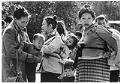
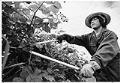
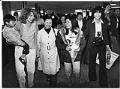
The Indochinese Farm Project began in 1982 with 18 acres of land along the Sammamish River. Funded in part by King County and the Pike Place Market Preservation and Development Authority (Market PDA), the Indochinese Farm project was a joint project of the Washington State Commission on Asian American Affairs and Bethany Presbyterian Church. Through the project, refugees from Laos, primarily Mien and Hmong farmers, could lease land for farming at low cost.
In the spring of 1982, 16 families rented an acre apiece for $8 on land in Woodinville owned by King County. They hoped to earn a living by selling their produce at markets and to restaurants and churches. Some were able to pay their rent from their earnings, but many struggled with rent and food money in the first year of the project. It was not unusual for refugee families to go for months without food stamps or other aid because of language difficulties, and lack of knowledge of how the process worked. Food banks were often closed by the time the families returned to Seattle from a long day of work on the Woodinville farm.
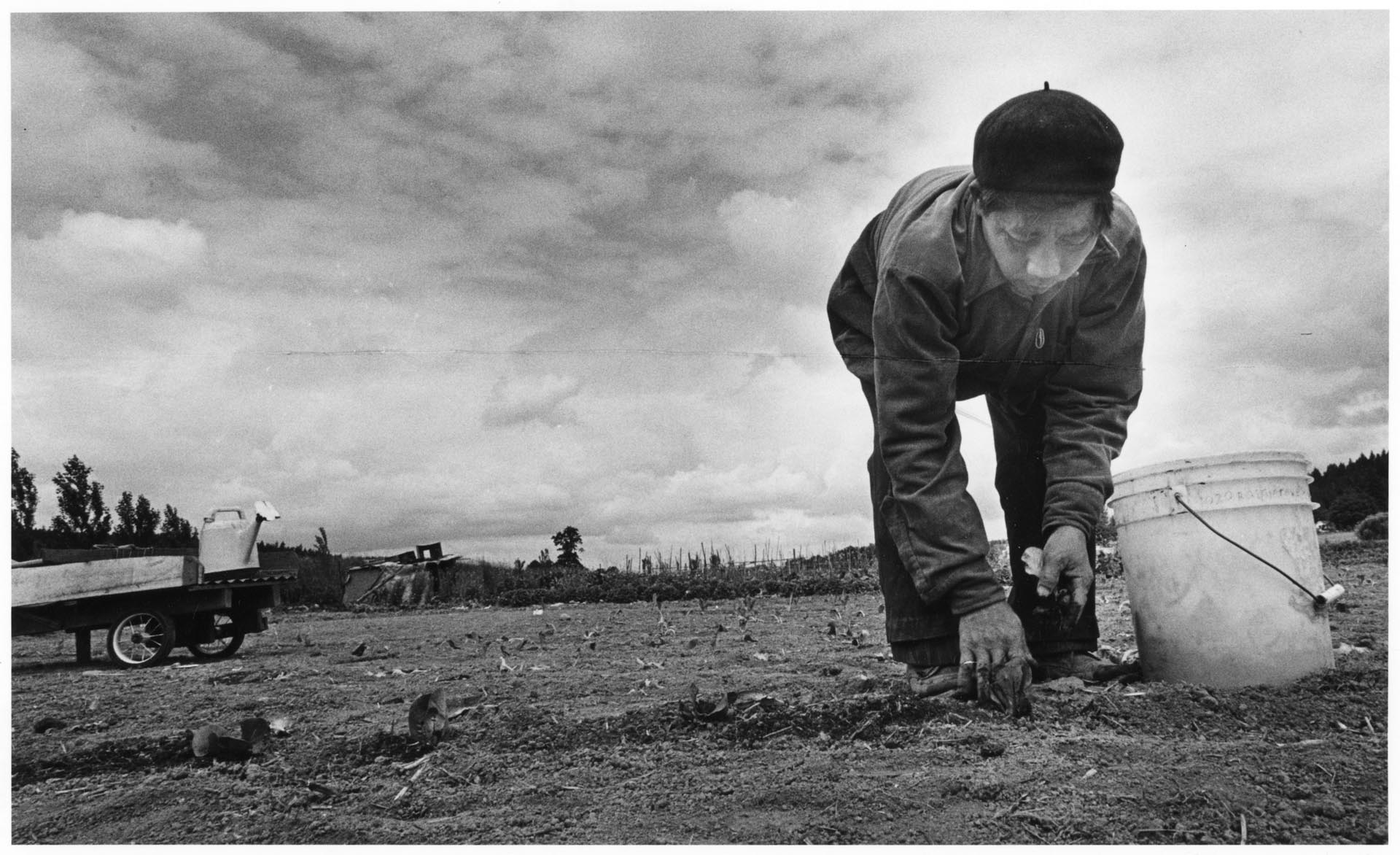
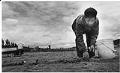
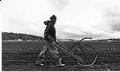
This photo shows Mien farmer Yao Unaf Saeturn working on his plot of land in Woodinville. His family of nine lived in a small Central Area apartment, and Saeturn's wife could not help with the work due to health problems. At the time of an October 1982 article about the family, they were living on rice and vegetables from the farm, and had taken out a loan for rent. Like many refugee families, they had lost federal assistance because of cutbacks and were worried about how they would make it through the winter.
Caption information source: Seattle Post-Intelligencer, “Laotian refugees become farmers – then greengrocers” by Karen Hoisinger, August 4, 1982, p. C1; "Some rice in the cupboard but not much else" by Susan Paynter, October 31, 1982, p. B3