• Visit
    • Museum Accessibility
    • Community Access
    • Group Visits and Tours
    • Programs
      • History Café
      • MOHAI Mercantile Literary Series
      • First Thursday
      • Denny Lecture
      • Al Young Educator of the Year
      • Everyday Heroes
    • MOHAI Mercantile
    • Gourmondo at MOHAI
  • Exhibits
  • Events
  • Collections and Research
    • Collections Search
    • Themed Collections
    • Research Library
    • Image Ordering
    • Donate an Artifact
    • Curator’s Fellowship
  • Support
    • Donate
    • Membership at MOHAI
    • Gift Memberships
    • Corporate Support
  • Education
    • Field Trips
      • Self-Guided School Year Explorations
      • Creating Our Community
      • Cracking the History Code: Salish Stories
      • Cracking the History Code: Settling Around the Sound
      • Hands on History
      • Self-Guided Summer Field Trips
      • Homeschool Group
    • Portable Museum Program
    • Scholarships
    • Education FAQ
    • Primary Source Analysis
    • Online Curricula
    • Teen Programs
    • Idea Lab
    • Discovery Packs
    • Summer Camps
  • About
    • Annual Reports
    • The MOHAI Blog
    • Contact MOHAI
    • Opportunities
    • Leadership
    • Private Events
  • Donate
  • Tickets
  • Membership
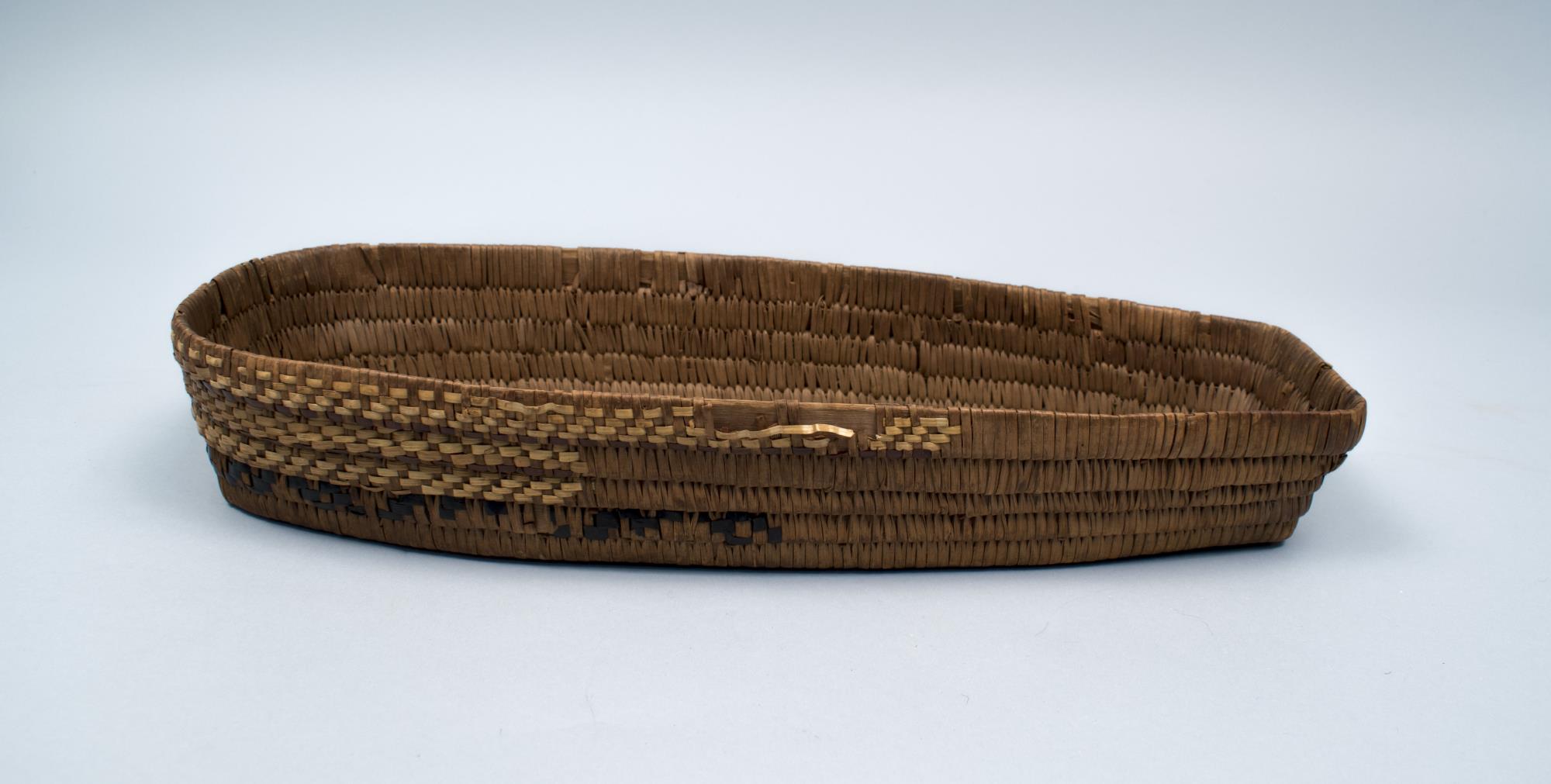
HomeCollections and ResearchCollections SearchSalish cradle basket made from cedar root and cedar slats, probably Interior Salish, ca. 1900-1930

Search by Collection

Not finding what you are looking for?
Ask the MOHAI Collections Staff

Back to Results
Image of Salish cradle basket made from cedar root and cedar slats, probably Interior Salish, ca. 1900-1930
2009.1.198
View full size image or right-click on image to save

Salish cradle basket made from cedar root and cedar slats, probably Interior Salish, ca. 1900-1930

The Salish people have been living in the Pacific Northwest since before European contact.
ID Number: 2009.1.198
Date: Circa 1900-1930
Physical Description: 1 Cradle, Basket; cedar; 3 in.H x 7 in.W x 17 in.D
Place Made: United States of America, WASHINGTON
Credit: MOHAI, 2009.1.198
Subjects: Indigenous Peoples
Share:

Other matching results

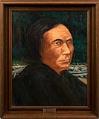
Image of Portrait of Chief Leschi painted 1950-1960, artist unknown
Portrait of Chief Leschi painted 1950-1960, artist unknown

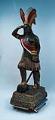
Image of Native American carved figure for cigar store, ca. 1850
Native American carved figure for cigar store, ca. 1850

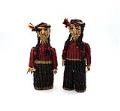
Image of Handmade Tulalip doll, 1950-2000

Handmade Tulalip doll, 1950-2000
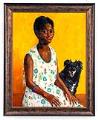
Image of Handmade Tulalip doll, 1950-2000

Handmade Tulalip doll, 1950-2000

Image of Portrait of girl with dog from Seattle's Ruth School for Girls by Kathleen Houlahan, 1920-1930
Portrait of girl with dog from Seattle's Ruth School for Girls by Kathleen Houlahan, 1920-1930

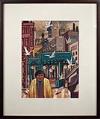
Image of Tempera painting of downtown Seattle with Indigenous figure by Richard Bennett, 1940-1948
Tempera painting of downtown Seattle with Indigenous figure by Richard Bennett, 1940-1948

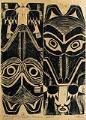
Image of Woodcut,

Woodcut, "Tlingit Inside House Post" by Helmi Juvonen, ca. 1930-1950
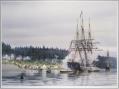
Image of Print,

Print, "The Battle of Seattle, January 26, 1856" and featuring the USS Decatur, by Mark Myers, 1987
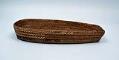
Image of Salish cradle basket made from cedar root and cedar slats, probably Interior Salish, ca. 1900-1930

Salish cradle basket made from cedar root and cedar slats, probably Interior Salish, ca. 1900-1930
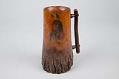
Image of Wooden souvenir mug from the Alaska-Yukon-Pacific Exposition (AYPE), 1909

Wooden souvenir mug from the Alaska-Yukon-Pacific Exposition (AYPE), 1909

Land Acknowledgement

MOHAI stands on the historic and contemporary lands and shores of the Duwamish, Suquamish, Muckleshoot, and other Coast Salish Nations. We acknowledge the forced displacement of Native Communities from this land while honoring the endurance of the Duwamish people who still live here.
Address: 860 Terry Ave N, Seattle WA, 98109
Phone: 206 324 1126
  • Plan a Visit
  • Directions and Parking
  • Accessibility
  • Group Tours
  • About

Sign up to Receive our Newsletter

"*" indicates required fields

This field is for validation purposes and should be left unchanged.

Copyright 2026, Museum of History & Industry. All Rights Reserved